CRISPR Revolution: Accelerating and Refining Target Validation in Drug Discovery
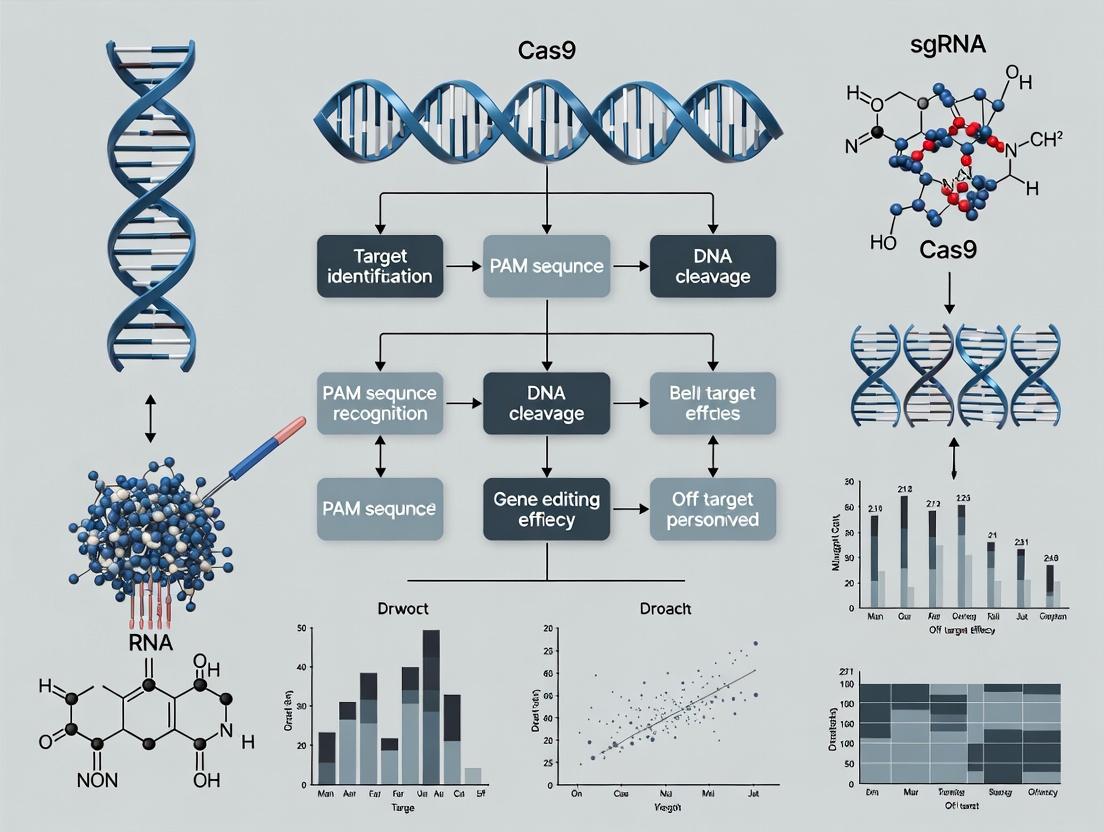
This article provides a comprehensive guide for researchers and drug development professionals on the transformative role of CRISPR-Cas technology in target validation.
CRISPR Revolution: Accelerating and Refining Target Validation in Drug Discovery
Abstract
This article provides a comprehensive guide for researchers and drug development professionals on the transformative role of CRISPR-Cas technology in target validation. It explores the foundational principles of using CRISPR for genetic screening and knockout studies, details advanced methodologies like CRISPRi/a, base editing, and in vivo validation models. The content addresses common experimental challenges and optimization strategies for improving specificity and efficiency. Finally, it evaluates CRISPR's performance against traditional validation methods (RNAi, antibodies) and discusses emerging techniques for multi-omics validation and biomarker identification, offering a complete roadmap for integrating CRISPR into robust preclinical pipelines.
CRISPR 101 for Target Validation: From Basic Mechanism to High-Throughput Screening
Defining Target Validation and Its Critical Role in the Drug Discovery Pipeline
Target validation is the rigorous process of demonstrating that the direct modulation of a putative molecular target (e.g., a gene, protein, or pathway) elicits a desired therapeutic effect in a disease-relevant model. Its critical role lies in de-risking the lengthy and costly drug discovery pipeline; a poorly validated target is a primary cause of late-stage clinical failure. The integration of CRISPR (Clustered Regularly Interspaced Short Palindromic Repeats) technology has revolutionized this stage by enabling precise, efficient, and scalable genetic perturbations.
Application Notes: CRISPR-Cas Systems for Target Validation
CRISPR-Cas9 for Gene Knockout Validation
CRISPR-Cas9 facilitates permanent gene knockout via non-homologous end joining (NHEJ)-mediated indel formation. This is the gold standard for in vitro loss-of-function validation. Pooled libraries enable genome-wide screening to identify genes essential for specific phenotypes (e.g., cell survival, proliferation).
Recent Data (2023-2024) from CRISPR Screens: The table below summarizes key quantitative findings from recent CRISPR knockout screens in oncology target validation.
| Disease Area | Screen Type | Key Validated Target(s) | Hit Enrichment (Log2 Fold Change) | Primary Validation Model | Reference (Type) |
|---|---|---|---|---|---|
| Non-Small Cell Lung Cancer (NSCLC) | Resistance to EGFRi | AXL | +3.2 | Patient-derived organoids (PDOs) | Nature Cancer, 2023 |
| Glioblastoma | Essentiality in Tumor- Initiating Cells | TAF1 | -4.1 (essential) | Intracranial xenograft (in vivo) | Cell, 2023 |
| Colorectal Cancer | Synthetic Lethality with APC loss | WRN | -5.8 (essential in MSI-like context) | Isogenic cell lines & murine models | Science, 2024 |
| Autoimmune Disorder (Lupus) | Regulators of B-cell hyperactivation | PRKCD | -3.5 | Primary human B-cells in vitro | Sci. Immunol., 2024 |
Protocol 2.1: CRISPR-Cas9 Knockout for Target Validation in Cell Lines.
- Materials: See Scientist's Toolkit.
- Methods:
- Guide RNA (gRNA) Design: Use established algorithms (e.g., from Broad Institute) to design 2-3 high-efficiency gRNAs per target gene. Include a non-targeting control (NTC) gRNA.
- Vector Delivery: Clone gRNA sequences into a lentiviral CRISPR-Cas9 vector (e.g., lentiCRISPRv2). Produce lentivirus via transfection of HEK293T cells with packaging plasmids.
- Cell Transduction: Transduce target cells (e.g., cancer cell line) at a low MOI (<0.3) to ensure single-copy integration. Include polybrene (8 µg/mL).
- Selection & Cloning: Apply appropriate antibiotic selection (e.g., puromycin, 1-5 µg/mL) for 3-5 days. For clonal isolation, perform serial dilution to obtain single-cell colonies.
- Validation of Knockout:
- Genomic DNA Analysis: Extract genomic DNA from polyclonal or clonal populations. Amplify target region by PCR and analyze by Sanger sequencing followed by inference of CRISPR edits (ICE) analysis or TIDE.
- Protein Analysis: Confirm loss of target protein via western blotting 7-14 days post-transduction.
- Phenotypic Assay: Subject validated knockout cells to disease-relevant assays (e.g., proliferation, apoptosis, migration, drug sensitivity). Compare to NTC cells.
CRISPR Interference/Activation (CRISPRi/a) for Modulation Validation
CRISPRi (dCas9-KRAB) and CRISPRa (dCas9-VPR) enable reversible, specific gene repression or activation without altering the genomic DNA sequence. This is critical for validating targets where overexpression or partial inhibition is the therapeutic modality.
Protocol 2.2: CRISPRi Knockdown for Phenotypic Screening.
- Materials: See Scientist's Toolkit.
- Methods:
- Cell Line Engineering: Stably express dCas9-KRAB in your target cell line via lentiviral transduction and selection.
- gRNA Design & Library Delivery: Design gRNAs targeting promoter regions (~-50 to +300 bp from TSS). Use a pooled library format. Transduce the dCas9-KRAB cell line with the gRNA library at >500x coverage.
- Phenotype Induction & Screening: Apply the selective pressure (e.g., drug treatment, nutrient stress) for 10-14 population doublings.
- Next-Generation Sequencing (NGS): Harvest genomic DNA from pre- and post-selection populations. Amplify the integrated gRNA cassette via PCR and sequence.
- Data Analysis: Align sequences to the reference gRNA library. Use MAGeCK or similar tools to identify gRNAs enriched or depleted under selection, implicating target genes in the phenotype.
Visualizing Workflows and Pathways
Target Validation Workflow in Drug Discovery
CRISPR Target Validation Experimental Logic
The Scientist's Toolkit: Key Research Reagent Solutions
| Reagent / Material | Function in CRISPR Target Validation | Example Product/Supplier |
|---|---|---|
| Lentiviral CRISPR Vectors | Delivery of Cas9/dCas9 and gRNA into dividing and non-dividing cells for stable integration. | lentiCRISPRv2 (Addgene), pLenti-dCas9-KRAB (Addgene). |
| Validated gRNA Libraries | Pre-designed, pooled sets of gRNAs for genome-wide, pathway-specific, or custom loss/activation-of-function screens. | Human CRISPR Knockout (Brunello) Library, Calabrese CRISPRa Library (Broad GPP). |
| Cas9/Nuclease Cell Lines | Reporter cell lines (e.g., GFP disruption) for rapid validation of CRISPR-Cas9 activity and gRNA efficiency. | HEK293-Cas9-GFP (Sigma), U2AF1-GFP reporter lines. |
| Next-Gen Sequencing Kits | For deep sequencing of gRNA abundance in pooled screens or amplicons from edited genomic loci. | Illumina Nextera XT, NEBNext Ultra II DNA. |
| CRISPR Screening Analysis Software | Bioinformatics tools for quantifying gRNA enrichment/depletion and identifying hit genes. | MAGeCK, PinAPL-Py, CRISPhieRmix. |
| High-Viability Electrocompetent Cells | For high-efficiency transformation of plasmid libraries during gRNA library amplification. | NEB 10-beta, Stbl4. |
| dCas9 Effector Fusion Constructs | For transcriptional modulation (CRISPRi/a). Fuse dCas9 to KRAB (repression) or VPR (activation) domains. | pHR-dCas9-KRAB (Addgene), dCas9-VPR (Addgene). |
| Organoid Culture Media Kits | For ex vivo validation of CRISPR-validated targets in patient-derived, physiologically relevant 3D tissue models. | IntestiCult, STEMdiff Cerebral Organoid Kit. |
Application Notes Within target validation research, selecting the appropriate CRISPR-Cas system is critical for generating accurate and interpretable models. The core function—creating targeted DNA double-strand breaks (DSBs) for knockout via non-homologous end joining (NHEJ)—is now complemented by systems enabling high-fidelity base editing, transcriptional modulation, and multiplexed screening.
- Cas9 (SpCas9): The foundational enzyme remains the workhorse for single-gene knockout and knock-in (via HDR) in mammalian cells. Its requirement for a protospacer adjacent motif (PAM) of NGG can be a limitation for targeting AT-rich regions. Recent engineered variants (e.g., SpCas9-NG, SpRY) have significantly relaxed PAM requirements.
- Cas12a (Cpf1): Distinguished by its T-rich PAM (TTTV), RNA processing capability (enabling multiplexed crRNA arrays from a single transcript), and generation of staggered DNA ends. It is particularly useful for targeting gene-dense regions and multiplexed functional genomics screens.
- Base Editors (BE): Catalytically impaired Cas9 or Cas12 fused to deaminase enzymes enable direct, irreversible conversion of C•G to T•A (CBE) or A•T to G•C (ABE) without requiring a DSB or donor template. This is invaluable for modeling point mutations associated with disease.
- Prime Editors (PE): A Cas9 nickase-reverse transcriptase fusion guided by a prime editing guide RNA (pegRNA) can install all 12 possible base-to-base conversions, as well as small insertions and deletions, with minimal indel byproducts. This system offers unparalleled versatility for precise genome modification.
- CRISPRa/i: Nuclease-dead Cas9 (dCas9) fused to transcriptional effector domains (e.g., VP64, KRAB) enables robust gene activation (CRISPRa) or silencing (CRISPRi) for gain- and loss-of-function studies without altering the genomic DNA sequence, ideal for probing gene dosage effects.
Quantitative Comparison of Key CRISPR-Cas Systems
| System | Canonical Enzyme | PAM Sequence | Cleavage Type | Primary Application in Target Validation | Typical Editing Efficiency Range* | Key Advantage |
|---|---|---|---|---|---|---|
| Nuclease | SpCas9 | 5'-NGG-3' | Blunt DSB | Gene Knockout/Knock-in | 40-80% (NHEJ) | High efficiency, well-characterized |
| Nuclease | Cas12a | 5'-TTTV-3' | Staggered DSB | Multiplexed Knockout | 30-70% (NHEJ) | Enables simple multiplexing |
| Cytosine Base Editor (CBE) | BE4max | NG (SpCas9-NG) | Single-strand nick | C•G to T•A conversion | 10-50% (Avg. product purity) | DSB-free, precise point mutation |
| Adenine Base Editor (ABE) | ABE8e | NGG | Single-strand nick | A•T to G•C conversion | 20-60% (Avg. product purity) | DSB-free, precise point mutation |
| Prime Editor (PE) | PE2 | NGG | Single-strand nick | All point mutations, small indels | 5-30% (Avg. product purity) | Versatile, precise, low indels |
| CRISPR Interference | dCas9-KRAB | NGG | None | Transcriptional Repression | 70-95% (mRNA reduction) | Reversible, specific knockdown |
*Efficiencies are highly dependent on cell type, locus, and delivery method. Ranges represent common observations in amenable mammalian cell lines.
Protocol: Multiplexed Gene Knockout for Pathway Validation Using Cas12a
Objective: To simultaneously knockout three genes within a suspected synthetic lethal pathway in a human cancer cell line (e.g., HEK293T) using a single plasmid expressing Cas12a and a crRNA array.
I. Materials: Research Reagent Solutions
| Item | Function |
|---|---|
| Cas12a Expression Plasmid (e.g., pY010) | Expresses Lachnospiraceae bacterium Cas12a (LbCas12a) and a crRNA array under U6 and EF1α promoters. |
| Custom crRNA Array Oligos | DNA oligos encoding direct repeats and spacer sequences (20-24 nt) targeting genes A, B, and C. |
| Gibson Assembly Master Mix | Enables seamless, single-step assembly of multiple DNA fragments (crRNA array into BsaI-digested backbone). |
| Lipofectamine 3000 | Lipid-based transfection reagent for plasmid delivery into adherent mammalian cells. |
| Cell Line & Culture Media | HEK293T cells maintained in DMEM + 10% FBS. |
| Genomic DNA Extraction Kit | For isolating DNA 72h post-transfection for analysis. |
| T7 Endonuclease I (T7E1) | Detects indels at target sites via surveyor nuclease assay. Alternative: Tracking of Indels by Decomposition (TIDE) analysis. |
II. Methodology
crRNA Array Design and Cloning:
- Design three 20-24 nt spacer sequences targeting early exons of genes A, B, and C, each preceded by the Cas12a direct repeat (DR) sequence (5'-TTTT...-3').
- Order oligos to form a tandem array: DR-SpacerA-DR-SpacerB-DR-SpacerC.
- Digest the destination plasmid with BsaI-HFv2 to linearize it at the crRNA insertion site.
- Assemble the crRNA array insert into the linearized plasmid using Gibson Assembly. Transform into competent E. coli, screen colonies, and Sanger sequence to confirm correct assembly.
Cell Transfection:
- Seed HEK293T cells in a 24-well plate to reach 70-80% confluency at transfection.
- For each well, prepare a transfection mix: 500 ng of assembled Cas12a-crRNA plasmid complexed with 1.5 µL Lipofectamine 3000 in Opti-MEM.
- Add mixture dropwise to cells. Replace with fresh media 6-8 hours post-transfection.
Efficiency Validation (T7E1 Assay):
- At 72 hours post-transfection, harvest cells and extract genomic DNA.
- Perform PCR amplification (~500-600 bp) around each target site using specific primers.
- Hybridize and re-anneal purified PCR products: 95°C for 5 min, ramp down to 25°C at -0.1°C/sec.
- Digest re-annealed products with T7E1 enzyme for 30 min at 37°C. The enzyme cleaves heteroduplex DNA formed by wild-type and indel-containing strands.
- Analyze fragments by agarose gel electrophoresis (2-3%). Quantify indel percentage using gel imaging software: % Indel = 100 × (1 - sqrt(1 - (b+c)/(a+b+c))), where a is the integrated intensity of the undigested band, and b & c are the digested fragments.
Phenotypic Analysis:
- Perform downstream functional assays (e.g., cell viability, apoptosis, Western blot for pathway proteins) 5-7 days post-transfection to validate the combinatorial genetic effect.
Diagrams
CRISPR-Cas Target Validation Workflow
Tool Selection for Target Validation Applications
Within the paradigm of target validation in drug discovery, precise genetic perturbation is paramount. CRISPR technology has evolved beyond simple knockout to offer tunable repression and activation, enabling researchers to model genetic diseases, probe gene function, and assess therapeutic target druggability with unprecedented specificity. This article details the core strategies—CRISPR-KO, CRISPRi, and CRISPRa—framing them as essential, complementary tools for causal inference in preclinical research.
CRISPR Knockout (KO)
CRISPR-KO utilizes the Cas9 nuclease to create double-strand breaks (DSBs) in the target genomic DNA, which are repaired by error-prone non-homologous end joining (NHEJ). This often results in frameshift mutations and premature stop codons, leading to a permanent, complete loss of gene function. It is the gold standard for determining essentiality and modeling loss-of-function variants.
CRISPR Interference (CRISPRi)
CRISPRi employs a catalytically "dead" Cas9 (dCas9) fused to a transcriptional repressor domain, such as KRAB. The dCas9-KRAB complex binds to DNA at transcription start sites without cutting it, recruiting chromatin modifiers that silence gene expression. This results in reversible, tunable gene knockdown without altering the genomic sequence.
CRISPR Activation (CRISPRa)
CRISPRa also uses dCas9, but fused to transcriptional activator domains like VP64, p65, and Rta (e.g., VPR system). The complex is targeted to promoter or enhancer regions to recruit transcriptional machinery, upregulating endogenous gene expression. This allows for gain-of-function studies without exogenous gene overexpression.
Table 1: Comparative Analysis of Core CRISPR Strategies
| Feature | CRISPR-KO | CRISPRi | CRISPRa |
|---|---|---|---|
| Cas9 Form | Wild-type SpCas9 nuclease | dCas9 fused to repressor (e.g., KRAB) | dCas9 fused to activator (e.g., VPR) |
| DNA Cleavage | Yes, creates DSBs | No | No |
| Genetic Change | Permanent sequence alteration | Epigenetic, reversible | Epigenetic, reversible |
| Primary Outcome | Complete gene knockout | Transcriptional repression (knockdown) | Transcriptional activation |
| Typical Efficiency | High (80-95% indels) | High (70-90% repression) | Variable (5-50 fold activation) |
| Key Application in Target Validation | Essentiality screening, loss-of-function phenotype | Titratable inhibition, essential gene analysis | Gain-of-function, synthetic lethality |
Detailed Experimental Protocols
Protocol 1: Pooled CRISPR-KO Screening for Essential Genes
Objective: To identify genes essential for cell proliferation/survival in a cancer cell line.
- Library Design & Cloning: Use a genome-wide lentiviral sgRNA library (e.g., Brunello). Clone into a lentiviral vector expressing SpCas9 and the sgRNA.
- Virus Production: Produce lentivirus in HEK293T cells by co-transfecting library plasmid with psPAX2 and pMD2.G packaging plasmids.
- Cell Transduction & Selection: Transduce target cells at a low MOI (∼0.3) to ensure single integration. Select with puromycin (2 µg/mL) for 5-7 days.
- Screening & Passaging: Maintain library coverage of >500 cells per sgRNA. Passage cells for 14-21 population doublings.
- Genomic DNA Extraction & Sequencing: Harvest cells at baseline (T0) and endpoint (Tfinal). Extract gDNA, amplify sgRNA regions via PCR, and sequence on an Illumina platform.
- Data Analysis: Align sequences to the reference library. Use MAGeCK or similar tools to compare sgRNA abundance between T0 and Tfinal, identifying depleted sgRNAs (essential genes).
Protocol 2: CRISPRi/a for Titratable Gene Regulation
Objective: To modulate expression of a candidate gene and measure a phenotypic output (e.g., reporter activity).
- Stable Cell Line Generation: Lentivirally transduce cells with dCas9-KRAB (for i) or dCas9-VPR (for a). Select with blasticidin (10 µg/mL) for 10 days.
- sgRNA Design & Cloning: Design 3-5 sgRNAs targeting within -50 to +300 bp relative to the TSS for CRISPRi, or within -400 to -50 bp for CRISPRa. Clone into a U6-driven expression vector.
- Transfection & Assay: Transfect sgRNA plasmids into the stable dCas9 cell line. Include non-targeting control sgRNAs.
- Validation & Phenotyping:
- At 72h post-transfection, harvest cells for qRT-PCR to validate mRNA level changes.
- In parallel, assay relevant phenotypes (e.g., viability, differentiation, signaling reporter readout).
- Titration (Optional): For CRISPRi/a, expression can be titrated using inducible dCas9 systems or by using sgRNAs with varying efficacies.
Visualization of Workflows and Pathways
CRISPR Strategy Selection Workflow
CRISPRi Transcriptional Repression Mechanism
The Scientist's Toolkit: Research Reagent Solutions
Table 2: Essential Reagents for CRISPR Perturbation Studies
| Reagent | Function | Example/Supplier |
|---|---|---|
| High-Efficiency Cas9/dCas9 Expression Vector | Stable delivery of the effector protein (nuclease or fused repressor/activator). | lentiCas9-Blast (Addgene), pLV dCas9-KRAB-P2A-Blast. |
| Validated sgRNA Library | Pre-designed, optimized pools of sgRNAs for genome-wide or pathway-focused screens. | Brunello (KO), Dolcetto (CRISPRi), Calabrese (CRISPRa) libraries. |
| Lentiviral Packaging Mix | Essential plasmids (psPAX2, pMD2.G) for producing recombinant lentivirus to deliver constructs. | VSV-G and 2nd/3rd generation packaging systems. |
| Selection Antibiotics | For stable cell line generation (puromycin, blasticidin, hygromycin). | Puromycin (2 µg/mL), Blasticidin (10 µg/mL). |
| Next-Generation Sequencing Kit | For amplifying and preparing sgRNA amplicons from genomic DNA for deep sequencing. | Illumina Nextera XT, NEBNext Ultra II. |
| Analysis Software | For statistical analysis of screen data to identify hit genes. | MAGeCK, PinAPL-Py, CRISPhieRmix. |
| dCas9-VPR Activation Complex | A potent, synergistic activator for robust CRISPRa experiments. | lenti dCas9-VPR (Addgene #99374). |
| Positive Control sgRNAs | Validated sgRNAs targeting essential genes (e.g., RPA3) or highly activatable loci (e.g., C/E). | Non-targeting control sgRNAs are equally critical. |
Designing sgRNAs for Efficacy and Minimizing Off-Target Effects
Within the broader thesis on CRISPR technology in target validation research, the design of single guide RNAs (sgRNAs) represents the foundational step that determines the success or failure of an entire experimental cascade. Target validation requires not only the confident knockout of a gene-of-interest but also the unambiguous attribution of a phenotypic outcome to that specific knockout. Inefficient on-target editing or consequential off-target mutagenesis can lead to false-positive or false-negative conclusions, wasting resources and derailing drug development pipelines. These Application Notes provide a contemporary, practical framework for designing highly effective and specific sgRNAs, emphasizing protocols and analytical tools suited for the stringent demands of preclinical research.
Core Principles of sgRNA Design
Optimal sgRNA design balances two key parameters: on-target efficacy and off-target specificity. Recent algorithmic advances integrate multiple factors to predict these outcomes.
Key Determinants of On-Target Efficacy:
- GC Content: Optimal range is typically 40-60%. Higher GC content increases stability but can reduce specificity.
- Target Site Position: Efficacy varies within the coding region of an early exon, with targets nearer the 5' end often preferred to induce frameshifts.
- Nucleotide Composition: Avoid homopolymeric sequences (e.g., "AAAAA") and consider specific nucleotides at certain positions (e.g., a 'G' at position 20).
- Chromatin Accessibility: Target sites within open chromatin regions (e.g., DNase I hypersensitive sites) are more accessible to the Cas9/sgRNA complex.
Primary Drivers of Off-Target Effects:
- Seed Sequence Mismatch Tolerance: The ~10-12 base pairs proximal to the Protospacer Adjacent Motif (PAM) are critical; mismatches here drastically reduce cleavage.
- Bulge Tolerance: Cas9 can cleave at DNA sites where the sgRNA contains bulges (insertions/deletions relative to the target DNA).
- Genome-wide Specificity: Determined by the number and location of genomic sites with high sequence similarity to the sgRNA spacer, especially in the seed region.
Table 1: Comparison of Major sgRNA Design & Scoring Algorithms
| Algorithm/Tool (Latest Version) | Primary Use | Key Predictive Features | Output Score(s) | Reference / Source |
|---|---|---|---|---|
| Rule Set 2 (via CRISPick) | On-target efficacy | Sequence composition, position, thermodynamic properties | 0-100 (higher is better) | Doench et al., Nat Biotechnol 2016 |
| DeepHF / DeepCRISPR | On-target efficacy | Deep learning on large-scale screening data | Probability of high activity | Wang et al., Nat Neurosci 2019 |
| CFD Score | Off-target specificity | Position- and identity-dependent mismatch weighting | 0-1 (lower potential for off-target) | Doench et al., Nat Biotechnol 2016 |
| MIT Specificity Score | Off-target specificity | Genome-wide search for potential off-targets with up to 4 mismatches | 0-100 (higher is better) | Hsu et al., Nat Biotechnol 2013 |
| Elevation Score | Overall specificity | Aggregated off-target analysis using a machine learning model | Scalar score (lower off-target risk) | Listgarten et al., Nat Biomed Eng 2018 |
Table 2: Impact of Mismatch Position on Cleavage Efficiency (CFD Weighting)
| Mismatch Position (5' → 3', PAM distal to proximal) | Relative Weight (Reduction in Cleavage Activity) | Notes |
|---|---|---|
| PAM-distal (1-12) | 0 - 0.7 | Mismatches here are generally more tolerated. |
| Seed Region (13-20) | 0 - 0.4 | Mismatches in this region, especially near PAM, severely reduce activity. |
| PAM-proximal (21-23) | 0.3 - 1.0 | Critical region; most mismatches abolish cleavage. |
Experimental Protocols
Protocol 1: In Silico Design and Selection of sgRNAs
Objective: To computationally design and rank candidate sgRNAs for a target gene.
Materials:
- Gene of Interest (ENSEMBL or RefSeq ID).
- Access to online design tools (e.g., Broad Institute's CRISPick, Benchling, or IDT's sgRNA Designer).
- Reference genome file (e.g., GRCh38/hg38).
Procedure:
- Input Target: Navigate to your chosen design tool. Input the official gene identifier or genomic coordinates of your target region.
- Parameter Setting:
- Select the correct reference genome assembly.
- Choose the Cas9 variant (e.g., SpCas9, SpCas9-HF1).
- Specify the design region (e.g., "All coding exons" or a specific exon).
- Generate Candidates: Run the tool to generate all possible sgRNAs (NGG PAM for SpCas9) in the designated region.
- Filter and Rank:
- Filter out sgRNAs with a high count of predicted off-targets (e.g., >3 sites with ≤3 mismatches).
- Prioritize candidates with high on-target scores (e.g., Rule Set 2 > 50) AND high specificity scores (e.g., MIT > 50, or low CFD for top off-targets).
- Visually inspect the top 3-5 candidates in a genome browser (e.g., UCSC Genome Browser) to confirm location and context.
- Final Selection: Select a minimum of 3-4 sgRNAs for empirical testing to account for variable performance.
Protocol 2: Empirical Validation of Off-Target Effects using GUIDE-seq
Objective: To experimentally identify genome-wide off-target sites for a given sgRNA.
Materials:
- Cells amenable to transfection (e.g., HEK293T).
- sgRNA expression plasmid or synthetic sgRNA/Cas9 RNP.
- GUIDE-seq Oligo: A double-stranded, end-protected oligonucleotide that integrates at double-strand breaks (Tsai et al., Nat Biotechnol 2015).
- PCR reagents and primers for amplification of integrated oligo sites.
- Next-generation sequencing library prep kit and sequencer.
Procedure:
- Co-transfection: Co-transfect cells with the Cas9/sgRNA expression constructs and the GUIDE-seq oligonucleotide using a standard method (e.g., lipofection).
- Harvest Genomic DNA: Allow 72 hours for editing and oligo integration. Harvest genomic DNA using a silica-column based kit.
- Amplification of Integration Sites: Perform a semi-nested PCR using one primer specific to the GUIDE-seq oligo and another primer specific to a linker ligated to sheared genomic DNA.
- Sequencing Library Preparation: Purify the PCR product, prepare an NGS library, and sequence on a mid-output flow cell.
- Bioinformatic Analysis:
- Align sequencing reads to the reference genome.
- Detect reads containing the GUIDE-seq oligo sequence and extract the adjacent genomic sequence.
- Cluster these sequences to identify significant off-target sites. Use tools like the original GUIDE-seq analysis software or other validated pipelines.
- Validation: Validate top off-target sites (especially those in coding regions) by targeted amplicon sequencing.
Visualizations
Diagram Title: sgRNA Design and Validation Workflow
Diagram Title: Decision Tree for Predicting Off-Target Cleavage
The Scientist's Toolkit: Research Reagent Solutions
Table 3: Essential Reagents for sgRNA Design & Validation Experiments
| Reagent / Material | Function in sgRNA Design/Validation | Example Supplier/Product Note |
|---|---|---|
| High-Fidelity Cas9 Variant (e.g., SpCas9-HF1, eSpCas9) | Engineered protein with reduced non-specific DNA binding, lowering off-target effects while maintaining robust on-target activity. | Integrated DNA Technologies (IDT), Thermo Fisher Scientific. |
| Chemically Modified Synthetic sgRNA | Incorporation of 2'-O-methyl-3'-phosphorothioate at terminal nucleotides increases stability, reduces immune response, and can improve editing efficiency. | Synthego, Horizon Discovery. |
| GUIDE-seq Oligonucleotide | A double-stranded, end-blocked oligo that serves as a tag for unbiased, genome-wide identification of Cas9-induced double-strand breaks. | Truncated dsODN as per original protocol; available from IDT. |
| Next-Generation Sequencing Kit for Amplicon-Seq | Validates on-target editing efficiency and quantifies mutations at predicted off-target loci. | Illumina MiSeq Reagent Kit v3, Nextera XT Index Kit. |
| Control sgRNAs (Positive & Negative) | Essential for benchmarking. Positive control targets a ubiquitous, essential gene. Negative control is a non-targeting scramble sequence. | Often provided in commercial screening libraries. |
| Genomic DNA Isolation Kit (Column-Based) | Provides high-quality, PCR-ready genomic DNA from transfected cells for downstream analysis (PCR, GUIDE-seq, amplicon sequencing). | Qiagen DNeasy Blood & Tissue Kit. |
| Transfection Reagent for RNP Delivery | Enables efficient delivery of pre-complexed Cas9 protein and sgRNA (ribonucleoprotein), which reduces off-targets and accelerates editing. | Lipofectamine CRISPRMAX (Thermo Fisher). |
Within the broader thesis on CRISPR technology in target validation research, the selection of a screening format is a critical determinant of experimental success. Pooled and arrayed CRISPR screens represent two foundational approaches, each with distinct operational principles, applications, and trade-offs. This Application Note provides a detailed comparison, current protocols, and decision-making frameworks to guide researchers and drug development professionals in selecting and implementing the optimal strategy for their specific biological target and research question.
Core Concepts and Comparative Analysis
A pooled screen involves transducing a population of cells with a single viral library containing tens of thousands of unique single-guide RNAs (sgRNAs). All cells are cultured together in one or a few vessels, and phenotypic selection (e.g., drug resistance, cell survival/proliferation, or fluorescence-activated cell sorting) is applied. sgRNA representation pre- and post-selection is deconvoluted via next-generation sequencing (NGS).
An arrayed screen involves delivering defined, individual sgRNAs or small sets (e.g., in wells of a multi-well plate) to physically separated cell populations. Each well is assayed independently, often using high-content imaging or other phenotypic readouts.
The quantitative comparison below summarizes the key parameters for selection.
Table 1: Comparative Analysis of Pooled vs. Arrayed CRISPR Screens
| Parameter | Pooled Screen | Arrayed Screen |
|---|---|---|
| Format & Scale | High-throughput (10^3 – 10^5 genes/screen) | Medium- to high-throughput (10^2 – 10^4 genes/screen) |
| Library Cost (per gene) | Low ($1 – $5) | High ($50 – $200+) |
| Infrastructure Demand | NGS, bioinformatics | Liquid handling robotics, high-content imagers |
| Primary Readout | DNA abundance via NGS | Direct phenotypic measurement (e.g., imaging, luminescence) |
| Typical Phenotypes | Viability, proliferation, drug resistance, FACS-sortable | Complex morphology, signaling activity, multi-parameter |
| Screening Time (hands-on) | Lower | Higher |
| Data Deconvolution | Post-hoc via sequencing | Direct, per-well assignment |
| Multiplexing Potential | High (entire library in one pot) | Low (one gene/perturbation per well) |
| Hit Identification | Statistical, based on sgRNA enrichment/depletion | Direct observation and measurement per well |
| Best For | Genome-wide, dropout screens; identifying essential genes | Sub-genomic libraries; complex, multi-parametric phenotypes |
Detailed Application Protocols
Protocol 1: A Basic Workflow for a Pooled CRISPR Knockout Screen
Objective: To identify genes essential for cell proliferation in a cancer cell line.
Research Reagent Solutions & Materials:
- Brunello or similar CRISPRko Library: A curated, genome-wide sgRNA library (e.g., 4 sgRNAs/gene, ~77k sgRNAs). Function: Provides broad targeting capability with built-in controls.
- Lentiviral Packaging Plasmids (psPAX2, pMD2.G): Function: For production of replication-incompetent lentiviral particles.
- HEK293T Cells: Function: Highly transferable cells for high-titer lentivirus production.
- Target Cell Line: Function: The cellular model for the screen.
- Puromycin or Blasticidin: Function: Selection antibiotic for cells with stable sgRNA integration.
- Polybrene (Hexadimethrine bromide): Function: Enhances viral transduction efficiency.
- DNA Extraction Kit (e.g., QIAamp): Function: For high-quality genomic DNA isolation from large cell populations.
- PCR Amplification Primers: Function: To add sequencing adapters and sample barcodes to the integrated sgRNA cassette.
- NGS Platform (e.g., Illumina NextSeq): Function: For deep sequencing of sgRNA representations.
Methodology:
- Library Amplification & Virus Production: Transform the plasmid library into E. coli and amplify to maintain representation. Co-transfect the amplified library with packaging plasmids into HEK293T cells using PEI to produce lentivirus. Harvest virus supernatant at 48 and 72 hours.
- Cell Transduction & Selection: Titrate virus on target cells. Perform large-scale transduction at a low MOI (~0.3) to ensure most cells receive one sgRNA. 24-48 hours post-transduction, add selection antibiotic for 5-7 days to eliminate uninfected cells.
- Phenotypic Selection: Passage the selected cell population (the "pool") for a defined number of population doublings (e.g., 14-21 days). Maintain sufficient cell coverage (>500 cells per sgRNA) at all times to prevent stochastic loss.
- Genomic DNA Harvest & Sequencing: Harvest genomic DNA from a minimum of 50 million cells at the initial (T0) and final (Tend) time points. PCR amplify the integrated sgRNA regions from ~200 µg of gDNA per sample using barcoded primers. Pool PCR products and sequence on a mid/high-output NGS flow cell.
- Bioinformatic Analysis: Align sequencing reads to the reference library. Count sgRNA reads per sample. Use statistical packages (e.g., MAGeCK, CERES) to identify sgRNAs and genes significantly depleted in the Tend population compared to T0, indicating essentiality.
Workflow for a Pooled CRISPR Screen
Protocol 2: A Basic Workflow for an Arrayed CRISPR Screen
Objective: To identify genes modulating a specific signaling pathway using a high-content imaging readout.
Research Reagent Solutions & Materials:
- Arrayed sgRNA Library (in plate format): Function: Pre-arrayed, defined sgRNAs for targeted gene sets (e.g., kinase library).
- Reverse Transfection Reagent (e.g., Lipofectamine CRISPRMAX): Function: For efficient delivery of CRISPR ribonucleoproteins (RNPs) or plasmids.
- Cas9 Protein (for RNP delivery) or Cas9-Expressing Cell Line: Function: The effector enzyme for genome editing.
- 384-Well Imaging Microplates: Function: Optically clear plates suitable for automated microscopy.
- Automated Liquid Handler: Function: For precise, high-throughput reagent dispensing.
- High-Content Imaging System: Function: For automated, multi-parameter image acquisition and analysis.
- Cell Staining Reagents (Dyes/Antibodies): Function: To label cellular components or pathway markers.
- Image Analysis Software (e.g., CellProfiler, Harmony): Function: To extract quantitative features from images.
Methodology:
- Plate Setup: Using an automated liquid handler, aliquot 50-100 nL of individual sgRNA plasmids (or pre-complexed sgRNA:Cas9 RNPs) into the wells of a 384-well microplate. Include non-targeting control and essential gene control sgRNAs across the plate.
- Reverse Transfection: Seed target cells directly into the wells containing transfection complexes. For stable Cas9-expressing lines, transfection reagent delivers sgRNA only. For RNP delivery, cells are co-seeded with pre-formed sgRNA:Cas9 complexes.
- Incubation & Editing: Incubate cells for 72-96 hours to allow for gene editing and phenotypic manifestation.
- Stimulation & Staining (if required): Stimulate cells with a pathway agonist/antagonist. Fix, permeabilize, and stain cells with fluorescent dyes or antibodies targeting relevant markers (e.g., phospho-proteins, cytoskeletal markers).
- Image Acquisition & Analysis: Acquire 4-20 fields per well using a high-content imager. Use analysis software to segment cells and extract quantitative features (e.g., nuclear translocation intensity, cell count, morphology). Normalize data per plate using control wells.
- Hit Calling: Calculate Z-scores or strictly standardized mean difference (SSMD) for each gene target relative to non-targeting controls. Genes exceeding pre-set thresholds (e.g., |Z-score| > 2) are considered primary hits.
Workflow for an Arrayed CRISPR Screen
Choosing the Right Approach: A Decision Framework
The choice between pooled and arrayed screening hinges on the biological question, desired phenotype, and available resources.
Decision Tree for CRISPR Screen Selection
Advanced Considerations & Integrated Approaches
Modern target validation often employs hybrid or sequential strategies. A common approach is to perform a primary genome-wide pooled screen to identify a candidate gene set (hits), followed by a secondary, focused arrayed screen to validate hits and characterize complex phenotypes with orthogonal assays in the same well (e.g., multiplexed imaging, transcriptomics). The emergence of CRISPRi/a (interference/activation) screens also influences format choice, as arrayed formats excel in assessing subtle transcriptional phenotypes.
Pooled and arrayed CRISPR screens are complementary pillars in the thesis of CRISPR-driven target validation. Pooled screens offer an unbiased, cost-effective route to survey the genome for genes affecting selectable traits. Arrayed screens provide direct, multi-faceted insight into gene function in complex physiological assays. The informed researcher, equipped with these detailed protocols and decision frameworks, can strategically deploy these powerful approaches to deconvolute biological pathways and prioritize high-confidence therapeutic targets.
Application Notes
Phenotypic screening and functional genomics, powered by CRISPR technology, are foundational pillars in modern target validation research. These approaches enable the systematic interrogation of gene function directly within disease-relevant cellular contexts, moving beyond simple target identification to establishing causal links between genetic perturbation, phenotypic consequence, and therapeutic potential. Viability screening identifies genes essential for cell survival or proliferation, revealing potential cancer vulnerabilities or toxicological liabilities. Morphological profiling captures complex, high-dimensional readouts (e.g., cell shape, organelle structure, cytoskeletal organization) to uncover genes involved in processes like metastasis, neuronal outgrowth, or infection. Functional genomics integrates these readouts with computational analysis to deconvolute hits into biological pathways and networks, prioritizing high-confidence targets for drug discovery.
Table 1: Comparison of Phenotypic Screening Modalities with CRISPR
| Screening Modality | Primary Readout | Typical Assay | Key Advantage | Key Limitation |
|---|---|---|---|---|
| Viability/Proliferation | Cell count, ATP content, colony formation | CellTiter-Glo, IncuCyte confluence | Direct therapeutic relevance; high-throughput | Misses subtle, non-cytotoxic phenotypes |
| High-Content Morphology | Multiparametric image features (texture, shape, intensity) | Automated fluorescence microscopy (Opera, ImageXpress) | Unbiased, rich data; reveals mechanism | Complex data analysis; lower throughput |
| Pooled CRISPR Screening | DNA barcode abundance (NGS) | Next-generation sequencing (NGS) of gRNA libraries | Genome-wide scale in single experiment; low cost per gene | Limited to separable phenotypes (viability, FACS) |
| Arrayed CRISPR Screening | Multi-modal per-well phenotypes | Integrated platereaders & imagers | Enables complex, high-content readouts | Higher cost; requires automation |
Table 2: Common Functional Genomics Readouts & Analytical Outputs
| Readout Type | Measurement Technology | Primary Data Output | Common Downstream Analysis |
|---|---|---|---|
| Viability | Luminescence, Longitudinal imaging | Relative Luminescence Units (RLU), Confluence over time | Z'-score, % inhibition, IC50/Lethality Score (e.g., CERES) |
| Morphology | High-content imaging | >100 features/cell (size, granularity, intensity, texture) | Multivariate analysis (PCA, t-SNE), Cell Painting profiles |
| Transcriptional | RNA-seq, single-cell RNA-seq | Gene expression counts | Differential expression, Gene Set Enrichment Analysis (GSEA) |
| Genetic Interaction | Combinatorial CRISPR (e.g., dual-gRNA) | Synergy/antagonism scores | Synergy maps, genetic network modeling |
Experimental Protocols
Protocol 1: CRISPR-Cas9 Pooled Viability Screening
Objective: To identify genes essential for proliferation/survival in a cancer cell line using a genome-wide pooled gRNA library.
Materials:
- Cas9-expressing cell line of interest.
- Genome-scale pooled lentiviral gRNA library (e.g., Brunello, TorontoKO).
- Polybrene (8 µg/mL final concentration).
- Puromycin or appropriate selection antibiotic.
- Reagents for genomic DNA extraction (e.g., Qiagen Blood & Cell Culture DNA Kit).
- PCR primers for NGS library construction from gRNA amplicons.
- Next-generation sequencing platform.
Procedure:
- Library Lentivirus Production: Generate lentivirus from the pooled gRNA plasmid library in HEK293T cells.
- Cell Infection & Selection: Infect Cas9 cells at a low MOI (~0.3) to ensure most cells receive a single gRNA. Include non-infected control cells. 24h post-infection, begin puromycin selection (e.g., 2 µg/mL for 5-7 days) to eliminate non-transduced cells.
- Passaging & Harvest: Maintain infected cells (representing the "T0" timepoint) and passage them for ~14-21 population doublings. Harvest cell pellets at T0 and at the final timepoint (Tend) for genomic DNA extraction.
- gRNA Amplification & Sequencing: Isolate genomic DNA. Perform PCR to amplify the integrated gRNA sequences from both T0 and Tend samples. Index samples for multiplexed NGS.
- Data Analysis: Sequence to a depth of >500 reads per gRNA. Align reads to the reference gRNA library. Calculate fold-depletion of each gRNA from T0 to Tend using read counts. Normalize and aggregate gRNA scores to generate gene-level essentiality scores (e.g., using MAGeCK or CERES algorithms).
Protocol 2: Arrayed CRISPR-Based High-Content Morphological Screening (Cell Painting)
Objective: To assess gene knockout effects on cellular morphology using an arrayed, high-content imaging assay.
Materials:
- Arrayed, pre-cloned lentiviral gRNAs in a multi-well plate format (96- or 384-well).
- Target cell line (wild-type or Cas9-expressing).
- Reverse transfection reagent (e.g., Lipofectamine 3000) if using plasmid-based Cas9/gRNA.
- Cell Painting dye set: Hoechst 33342 (nucleus), Concanavalin A/Alexa Fluor 488 (ER/cytoskeleton), Wheat Germ Agglutinin/Alexa Fluor 555 (Golgi/plasma membrane), Phalloidin/Alexa Fluor 594 (actin), MitoTracker Deep Red (mitochondria), SYTO 14 Green (nucleoli).
- High-content imaging system (e.g., PerkinElmer Opera Phenix, ImageXpress Micro Confocal).
- Image analysis software (e.g., CellProfiler, Harmony, Columbus).
Procedure:
- Plating & Transduction: Seed target cells into assay-ready plates containing arrayed gRNAs. For lentiviral delivery, spinfect plates (centrifuge at 1000 x g for 1h at 37°C) to enhance infection efficiency. Incubate for 72-96 hours to allow for gene editing and protein depletion.
- Cell Staining: Fix cells with 4% formaldehyde for 20 min. Permeabilize with 0.1% Triton X-100 for 15 min. Stain with the 6-dye Cell Painting cocktail according to published protocols. Wash and seal plates.
- Automated Imaging: Image each well using a 20x or 40x objective, capturing 5-6 fluorescence channels. Acquire multiple fields per well to ensure sufficient cell numbers (>1000 cells/well).
- Image & Data Analysis:
- Feature Extraction: Use CellProfiler to segment cells and nuclei, and extract ~1,500 morphological features per cell (size, shape, texture, intensity, radial distribution).
- Profiling: Normalize features per plate (e.g., robust z-score). Aggregate median values per well to generate a morphological profile for each gene knockout.
- Pattern Recognition: Use dimensionality reduction (t-SNE, UMAP) and clustering to group gene knockouts with similar morphological profiles, inferring functional relationships.
Diagrams
Diagram 1: CRISPR Phenotypic Screening Workflow
Title: CRISPR Screening from Goal to Validation
Diagram 2: Functional Genomics Data Integration Pathway
Title: Integrating Data for Target ID
The Scientist's Toolkit: Research Reagent Solutions
Table 3: Essential Reagents for CRISPR Phenotypic Screening
| Item / Reagent | Function & Application | Example Vendor/Product |
|---|---|---|
| CRISPR Knockout Libraries | Pre-designed, arrayed or pooled gRNA sets for specific gene families or genome-wide coverage. Enables systematic perturbation. | Horizon Discovery (Dharmacon Edit-R), Sigma (Mission shRNA/CRISPR), Addgene (GeCKO, Brunello libraries) |
| Engineered Cas9 Cell Lines | Stably express Cas9 nuclease or dCas9-effector fusions. Provides consistent editing background, removes delivery variable. | ATCC, Horizon Discovery (U-2 OS Cas9, HeLa-Cas9), generate via lentivirus & selection. |
| Viability Assay Kits | Robust, homogeneous luminescent or fluorescent readouts of cell health (ATP content, membrane integrity). Used in endpoint or kinetic formats. | Promega (CellTiter-Glo, RealTime-Glo), Thermo Fisher (CyQUANT, PrestoBlue) |
| Cell Painting Dye Kits | Optimized, multiplexed fluorescence dye sets for staining 5-6 cellular compartments. Standardizes morphological profiling. | Revvity (CellPainter Kit), Biotium (Ready-to-use conjugates), custom mixes from Invitrogen. |
| High-Content Imaging Systems | Automated microscopes with environmental control, liquid handling, and advanced image analysis software for quantitative phenotypic data. | Revvity (Opera Phenix), Molecular Devices (ImageXpress), Cytiva (IN Carta Software) |
| Analysis Software Suites | Platforms for processing NGS data from pooled screens or extracting features from image data. Essential for hit calling. | Broad Institute (MAGeCK, CellProfiler), Partek Flow, DRVision (Aivia), GeneData Screener. |
Advanced CRISPR Applications: From In Vitro Screens to Complex In Vivo Models
CRISPR knockout screening has emerged as a foundational tool in functional genomics, enabling the systematic identification of genes essential for specific phenotypes. Within the broader thesis of CRISPR technology in target validation research, these screens provide direct, causal evidence linking gene function to disease-relevant cellular mechanisms. They serve as a critical bridge between genomic associations and the prioritization of high-confidence therapeutic targets by distinguishing between genes essential for cell fitness and those specifically modulating a pathway of interest.
Core Principles and Screening Strategies
Genome-wide screens utilize comprehensive single-guide RNA (sgRNA) libraries targeting every annotated gene in the genome (e.g., ~18,000-20,000 genes). Focused or sub-library screens target a curated set of genes (e.g., a specific pathway, druggable genome, or hit candidates from prior omics studies), allowing for deeper coverage and multiplexing in complex phenotypic assays. The fundamental workflow involves library delivery, phenotypic selection, and next-generation sequencing (NGS)-based readout to identify sgRNAs enriched or depleted under selective pressure.
Table 1: Comparison of Common CRISPR Knockout Screening Libraries
| Library Type | Example (Human) | Approx. Genes Targeted | sgRNAs per Gene | Total sgRNAs | Primary Use Case |
|---|---|---|---|---|---|
| Genome-Wide | Brunello | 19,114 | 4 | 76,456 | Unbiased discovery, essential gene mapping |
| Genome-Wide | Brie | 19,674 | 3 | 70,948 | Fitness screens, requires high representation |
| Druggable Genome | Toronto KnockOut (TKO) v3 | ~710 kinases, etc. | 6 | 4,262 | Targeted fitness screens in cancer models |
| Custom Focused | User-defined | 50 - 1000 | 5 - 10 | 250 - 10,000 | Validation of specific pathways or hit sets |
Detailed Experimental Protocol
Part 1: Library Design & Preparation
- Library Selection: Choose a validated, publicly available library (e.g., from the Broad Institute's GPP Portal) or design a custom library using design rules (20 bp guide sequence, NGG PAM). For a focused screen, compile your gene list and use design tools like CRISPick.
- Library Amplification: Transform the plasmid library into E. coli (e.g., Endura Electrocompetent Cells) to ensure high complexity. Use large-format plasmid prep kits to harvest the library DNA. Verify complexity by NGS sampling.
Part 2: Lentiviral Production & Transduction
- Virus Production: Co-transfect HEK293T cells with the sgRNA library plasmid, psPAX2 (packaging), and pMD2.G (VSV-G envelope) plasmids using a transfection reagent like PEI.
- Titration: Harvest virus supernatant at 48 and 72 hours. Transduce a small sample of your target cells (e.g., cancer cell line) with serial dilutions of virus in the presence of polybrene (8 µg/mL). Use a marker (e.g., puromycin) to determine the volume of virus yielding ~30-40% infection efficiency (Multiplicity of Infection, MOI < 0.4).
- Large-Scale Transduction: Scale transduction to cover the library at a minimum of 500 cells per sgRNA, maintaining MOI < 0.4. Include non-transduced controls.
Part 3: Phenotypic Selection & Harvest
- Selection & Expansion: Apply selection antibiotic (e.g., puromycin, 1-3 µg/mL) 24-48 hours post-transduction for 3-7 days to remove non-transduced cells.
- Passaging: Maintain cells in culture for the duration of the experiment, passaging to prevent over-confluence. For a positive selection screen (e.g., drug resistance), treat cells with the selective agent (e.g., a targeted inhibitor or chemotherapeutic). For a negative selection (fitness) screen, passage untreated cells.
- Harvest Timepoints: Harvest genomic DNA (gDNA) from a minimum of 500 cells per sgRNA at the T0 baseline (post-selection, pre-phenotype) and at the experimental endpoint (Tfinal). Use column-based or salt-precipitation gDNA extraction methods suitable for large cell pellets.
Part 4: NGS Library Preparation & Data Analysis
- Amplification of sgRNA Cassettes: Perform a two-step PCR on gDNA.
- PCR1: Amplify the sgRNA region from 10-100 µg of gDNA using high-fidelity polymerase. Use primers containing partial Illumina adapter sequences.
- PCR2: Add full Illumina adapters and sample barcodes using limited cycles.
- Sequencing: Pool libraries and sequence on an Illumina platform (e.g., NextSeq), aiming for >300 reads per sgRNA.
- Bioinformatic Analysis: Process fastq files using tools like
MAGeCKorCRISPResso2.- Align reads to the reference sgRNA library.
- Count sgRNA reads for T0 and Tfinal samples.
- Calculate gene-level enrichment/depletion scores (e.g., β score in MAGeCK, RRA p-value) to identify significant hits.
The Scientist's Toolkit: Key Research Reagent Solutions
Table 2: Essential Materials for a CRISPR Knockout Screen
| Item | Function | Example/Description |
|---|---|---|
| Validated sgRNA Library | Provides the genetic perturbation reagents | Brunello (Addgene #73179), Custom array-synthesized pool |
| Lentiviral Packaging Plasmids | Required for production of infectious viral particles | psPAX2 (Addgene #12260), pMD2.G (Addgene #12259) |
| High-Efficiency Competent Cells | For library plasmid amplification | Endura ElectroCompetent Cells (Lucigen) |
| Transfection Reagent | For viral production in HEK293T cells | Polyethylenimine (PEI), Lipofectamine 3000 |
| Polybrene | Enhances viral transduction efficiency | Hexadimethrine bromide, typically used at 4-8 µg/mL |
| Selection Antibiotic | Eliminates non-transduced cells | Puromycin, Blasticidin, depending on resistance marker |
| Genomic DNA Extraction Kit | High-yield, high-quality gDNA isolation from cell pellets | QIAamp Blood Maxi Kit (Qiagen), or isopropanol precipitation |
| High-Fidelity PCR Master Mix | For accurate, unbiased amplification of sgRNA cassettes | KAPA HiFi HotStart ReadyMix (Roche) |
| NGS Index Primers | For multiplexing samples during sequencing | Illumina TruSeq-style dual index primers |
Visualization of Workflows and Pathways
Title: Genome-Wide CRISPR Screen Workflow
Title: Target Validation in a Signaling Pathway
Title: From Sequencing to Hit Validation
Application Notes
Within the broader thesis of CRISPR technology in target validation, moving beyond simple gene knockouts to precise single-nucleotide variant (SNV) modeling is critical. Base editing and prime editing enable direct installation of patient-relevant SNPs into cell lines and model organisms, facilitating functional validation of genetic associations identified in GWAS studies and accelerating target prioritization in drug discovery.
Key Advantages:
- Precision: Enables C>G, G>T, and A>G substitutions (Base Editors) or all 12 possible transition mutations, small insertions, and deletions (Prime Editors) without double-strand breaks (DSBs).
- Efficiency: Can achieve higher editing efficiencies with reduced indels compared to HDR-mediated knock-in.
- Versatility: Allows for the study of specific SNPs in their native genomic context, preserving haplotype structure and regulatory elements.
Quantitative Performance Data: Table 1: Comparison of CRISPR Editing Platforms for SNP Validation
| Platform | Typical Editing Efficiency (in Mammalian Cells) | Primary Edit Types | Indel Byproduct Rate | PAM Requirement (Example) | Window of Activity |
|---|---|---|---|---|---|
| Cas9 HDR Knock-in | 1-20% (varies widely) | All substitutions, insertions | High (from DSB) | NGG (SpCas9) | N/A |
| Cytosine Base Editor (CBE) | 20-60% | C•G to T•A, G•C to A•T | <1% | NG (SpCas9n-NG) | ~5 nt window (protospacer positions 4-8) |
| Adenine Base Editor (ABE) | 20-50% | A•T to G•C, T•A to C•G | <1% | NGG (SpCas9n) | ~5 nt window (protospacer positions 4-8) |
| Prime Editor (PE2) | 10-40% (PE3: up to 55%) | All 12 point mutations, small insertions/deletions (≤~44 bp) | <1% | NGG (SpCas9n) | Flexible (specified by pegRNA) |
Detailed Protocols
Protocol 1: SNP Validation using a Cytosine Base Editor (CBE)
Objective: Install a C>T (or G>A) SNP in a HEK293T cell line.
Materials (Research Reagent Solutions):
- Plasmid: pCMV_AncBE4max (Addgene #112100) – encodes CBE with rat APOBEC1 and uracil glycosylase inhibitor (UGI).
- sgRNA: Designed with target C within positions 4-8 of protospacer, cloned into a U6 expression vector.
- Cells: HEK293T (or target cell line of interest).
- Transfection Reagent: Lipofectamine 3000.
- Lysis Buffer: QuickExtract DNA Extraction Solution.
- PCR Reagents: High-fidelity polymerase, primers flanking target site (~300-500 bp).
- Sanger Sequencing & Analysis Tool: TIDE or EditR for decomposition of sequencing traces.
Methodology:
- Design: Identify target SNP. Design sgRNA where the editable C (on either strand) is at protospacer positions 4-8. Ensure PAM (e.g., NGG for SpCas9) is present.
- Cloning: Anneal and clone sgRNA oligos into BsaI-cut sgRNA expression vector.
- Transfection: Co-transfect HEK293T cells (in 24-well plate) with 500 ng CBE plasmid and 250 ng sgRNA plasmid using Lipofectamine 3000.
- Harvest: 72 hours post-transfection, aspirate medium, add 100 µL QuickExtract buffer to cells, and incubate at 65°C for 15 min, 98°C for 5 min.
- Analysis: PCR amplify target locus from 2 µL lysate. Purify PCR product and submit for Sanger sequencing. Analyze chromatograms using TIDE (tide.nki.nl) to quantify editing efficiency.
Protocol 2: SNP Validation using a Prime Editor (PE2/PE3)
Objective: Install a transversion SNP (e.g., T>G) not addressable by base editors.
Materials (Research Reagent Solutions):
- Plasmid: pCMV-PE2 (Addgene #132775) – encodes prime editor (Cas9 nickase-reverse transcriptase fusion).
- pegRNA Plasmid: pU6-pegRNA-GG-acceptor (Addgene #132777) – for pegRNA cloning.
- ngRNA Plasmid (for PE3): Optional U6-sgRNA expression vector for nick-inducing sgRNA.
- Cells & Transfection: As in Protocol 1.
- Next-Generation Sequencing (NGS) Reagents: Purified PCR amplicons, NGS library prep kit, dual-indexing primers for multiplexing.
Methodology:
- pegRNA Design: For a T>G edit, design pegRNA with:
- spacer: 13-20 nt guiding to target site.
- PBS: 10-15 nt reverse complement to 3' end of displaced DNA strand.
- RTT: Encodes the desired T>G change plus any necessary silent mutations to prevent re-cutting.
- Cloning: Assemble pegRNA via Golden Gate or USER cloning into the acceptor vector.
- Transfection: Co-transfect cells with PE2 plasmid (500 ng) and pegRNA plasmid (250 ng). For PE3, add 250 ng ngRNA plasmid.
- Harvest & Analysis: Harvest genomic DNA at day 5-7. Perform PCR with overhang adapters for NGS. Sequence on an Illumina MiSeq. Use CRISPResso2 or similar to quantify precise editing and indels.
Visualizations
Title: CRISPR SNP Validation Workflow
Title: Base vs Prime Editing Mechanism
The Scientist's Toolkit
Table 2: Essential Research Reagents for CRISPR SNP Validation
| Reagent / Solution | Function | Example / Key Feature |
|---|---|---|
| Base Editor Plasmids | Encode fusion protein (dCas9/nCas9 + deaminase ± UGI) for direct nucleotide conversion. | AncBE4max (CBE), ABE8e (ABE). High efficiency, reduced off-target. |
| Prime Editor Plasmids | Encode fusion protein (nCas9 + reverse transcriptase) for versatile templated edits. | PE2, PEmax. Optimized for broad editing scope and efficiency. |
| pegRNA Cloning Vector | Backbone for assembling and expressing pegRNA (spacer + PBS + RTT). | pU6-pegRNA-GG-acceptor. Contains necessary expression elements. |
| High-Efficiency Transfection Reagent | Deliver editor RNP or plasmid DNA into target cells. | Lipofectamine CRISPRMAX (for plasmids), Neon NEPA21 (electroporation for RNPs). |
| NGS-based Validation Kit | Quantify precise editing efficiency and byproducts from heterogeneous cell pools. | Illumina Amplicon-EZ, CRISPResso2 analysis pipeline. Essential for prime editing. |
| Clonal Isolation Medium | Select and expand single-cell derived clones for isogenic line generation. | Appropriate antibiotic (e.g., puromycin) or fluorescence-based sorting media. |
| Rapid Cell Lysis Buffer | Quick genomic DNA extraction for initial PCR screening. | QuickExtract DNA Solution. Enables fast turnaround from cells to PCR. |
Application Notes: CRISPR-Based Functional Genomics in 3D Models
The integration of CRISPR-Cas9 technology with advanced physiologically relevant models has become a cornerstone for robust target validation in drug discovery. These models, including organoids, co-cultures, and 3D bioprinted systems, recapitulate the tissue architecture, cellular heterogeneity, and microenvironmental cues of human organs, thereby providing high-fidelity contexts for assessing gene function. The following tables summarize key quantitative findings from recent studies.
Table 1: Efficiency of CRISPR-Cas9 Delivery Modalities in 3D Organoid Models
| Delivery Method | Target Model | Average Editing Efficiency (%) | Transfection/Lentiviral Titre (if applicable) | Key Advantage | Key Limitation | Primary Citation (Example) |
|---|---|---|---|---|---|---|
| Lentiviral Transduction | Intestinal Organoids | 65-85% | 1-5 x 10^7 TU/mL | Stable genomic integration; high efficiency. | Risk of insertional mutagenesis; size constraints for Cas9+gRNA. | Drost et al., Nat. Protoc. 2016 |
| Electroporation (Nucleofection) | Cerebral Organoids | 40-70% | Program: EN-113 or EN-138 | Versatile for various organoid types. | Can cause high cell death; optimization required per cell type. | Quadrato et al., Nature 2017 |
| Lipid Nanoparticles (LNP) | Liver Organoid Co-culture | 50-75% | 0.5-2 µg/mL mRNA | High efficiency; transient expression; low immunogenicity. | Cost; optimization for 3D penetration can be complex. | Wang et al., Sci. Adv. 2023 |
| Adenoviral Vectors (AV) | Pancreatic Organoids | 60-80% | MOI 100-500 | High efficiency; does not integrate; large cargo capacity. | Can trigger strong immune responses in vivo. | Seino et al., Cell Stem Cell 2018 |
| CRISPR RNP Electroporation | Airway Organoids | 70-90% | 2-5 µM RNP complex | Rapid action; minimal off-targets; no DNA integration. | Technically demanding for 3D structures; transient effect. | Dekkers et al., Nat. Protoc. 2019 |
Table 2: Phenotypic Outcomes of Oncogene Knockout in Tumor Organoid Co-Culture Screens
| Target Gene (Cancer Type) | 3D Model System | Co-culture Components | Key Quantitative Phenotype After KO | Assay Readout | Validation Follow-up |
|---|---|---|---|---|---|
| KRAS (Pancreatic) | Patient-derived organoid (PDO) | Cancer-associated fibroblasts (CAFs), T cells | 60-75% reduction in organoid growth; 2.5-fold increase in T cell infiltration. | Live-cell imaging, IFN-γ ELISA. | In vivo xenograft regression upon treatment with KRAS inhibitor. |
| EGFR (Glioblastoma) | Cerebral tumor organoid | Microglia, endothelial cells | 40% decrease in invasive protrusion length; 50% downregulation of VEGF secretion. | Confocal microscopy (invasion), Luminex multiplex assay. | Sensitivity to clinical EGFR inhibitors confirmed. |
| MYC (Colorectal) | Colon tumor organoid | Gut microbiota (engineered E. coli), immune cells | ~80% reduction in spheroid size; shift in cytokine profile (IL-10 ↓, TNF-α ↑). | High-content analysis, Cytokine array. | Metabolomic profiling revealed changes in nucleotide synthesis. |
| PIK3CA (Breast) | Mammary ductal organoid | Adipocytes, macrophages | Induction of lumen formation (3-fold increase); restored polarity; reduced IL-6 secretion by 70%. | Immunofluorescence (E-cadherin, GM130), qPCR. | Synergistic effect observed with PI3Kα inhibitor and immunotherapy in vivo. |
Detailed Experimental Protocols
Protocol 2.1: Lentiviral CRISPR-Cas9 Knockout in Human Intestinal Organoids
Application: Functional validation of Wnt pathway genes in a self-renewing epithelial system.
I. Materials (Reagent Toolkit)
- Organoid Culture Medium: Advanced DMEM/F12 supplemented with Wnt3a, R-spondin, Noggin, EGF, B27, N2, Gastrin, Nicotinamide, and inhibitors (Y-27632, SB202190).
- Dissociation Reagent: TrypLE Express or Accumax.
- Lentiviral Particles: VSV-G pseudotyped, encoding SpCas9 and sgRNA(s) of interest, with puromycin resistance. Titer > 1x10^7 TU/mL.
- Polybrene (Hexadimethrine bromide): 8 µg/mL working concentration.
- Selection Agent: Puromycin, 1-5 µg/mL (dose must be pre-titrated).
- Basement Membrane Matrix: Cultrex Reduced Growth Factor BME or Matrigel.
- Genomic DNA Extraction Kit: Quick extraction protocol compatible with 96-well plates.
- T7 Endonuclease I or ICE Analysis Software: For initial assessment of editing efficiency.
II. Step-by-Step Methodology
- Organoid Preparation: Mechanically and enzymatically dissect mature organoids into small fragments or single cells. Resuspend in full culture medium with Y-27632.
- Lentiviral Transduction: a. Pellet 50,000-100,000 cells. Resuspend pellet in 50 µL of medium containing lentivirus (MOI ~10-20) and 8 µg/mL Polybrene. b. Seed the cell-virus suspension as a concentrated droplet in a non-treated culture dish. Incubate at 37°C for 4-6 hours, gently resuspending every hour. c. Add 1 mL of warm medium. Pellet cells and wash once with PBS to remove free virus.
- 3D Embedding & Recovery: Mix cells with cold BME/Matrigel and plate as 30 µL domes in a pre-warmed 24-well plate. After polymerization, overlay with 500 µL of complete medium + Y-27632. Culture for 48 hours.
- Selection: Replace medium with complete medium containing the pre-determined lethal dose of puromycin. Culture for 5-7 days, changing selection medium every 2-3 days. Control (non-transduced) organoids should fully die.
- Expansion & Validation: Passage selected organoids and expand for downstream assays. Harvest a fraction for genomic DNA extraction.
- Editing Efficiency Analysis: Perform PCR amplification of the target genomic locus from extracted DNA. Analyze using T7E1 assay or next-generation sequencing. Calculate indel percentage using ICE or CRISPResso2 tools.
- Phenotypic Analysis: Proceed with functional assays (e.g., growth curves, drug treatment, differentiation induction) on the polyclonal or clonal (if subcloned) edited organoid lines.
Protocol 2.2: CRISPR-Cas9 RNP Electroporation for Acute Gene Knockout in Airway Organoids
Application: Rapid assessment of host factor genes required for viral infection in a pseudostratified epithelium model.
I. Materials (Reagent Toolkit)
- CRISPR RNP Complex: Alt-R S.p. Cas9 Nuclease V3 and Alt-R CRISPR-Cas9 sgRNA (synthetic, modified). Reconstitute and complex at 2 µM final RNP concentration in duplex buffer.
- Electroporation System: 4D-Nucleofector (Lonza) with X Unit.
- Electroporation Kit: P3 Primary Cell 4D-Nucleofector Kit.
- Dissociated Airway Organoid Cells: Basal cells isolated from expanded airway organoids.
- Recovery Medium: Pneumacult ALI Basal Medium with supplements, 10 µM Y-27632.
- BME/Matrigel: As above.
II. Step-by-Step Methodology
- Cell Preparation: Dissociate airway organoids to single basal cells. Count and pellet 2x10^5 cells per electroporation condition.
- RNP Complex Formation: For each reaction, combine 2 µL of 60 µM sgRNA with 2 µL of 60 µM Cas9 protein in a low-bind tube. Incubate at room temperature for 10 minutes to form the RNP complex.
- Nucleofection: a. Resuspend the cell pellet in 20 µL of P3 Nucleofector Solution. Mix gently with the pre-formed 4 µL RNP complex. b. Transfer the entire mix to a Nucleocuvette. Cap and insert into the 4D-Nucleofector X Unit. c. Run the pre-optimized program (e.g., EO-117 for human basal cells). d. Immediately after the pulse, add 80 µL of pre-warmed Recovery Medium to the cuvette.
- Recovery and Plating: Gently transfer the cell suspension (now ~100 µL) to a tube with 900 µL Recovery Medium. Incubate at 37°C for 15-30 minutes.
- 3D Culture Initiation: Pellet cells, resuspend in cold BME/Matrigel, and plate as domes. Overlay with Recovery Medium. Replace with standard expansion medium after 24-48 hours.
- Timeline for Analysis: Gene knockout is effective within 24 hours. Functional assays (e.g., viral infection, ciliogenesis) can be performed 3-5 days post-electroporation when organoids have reformed. Editing efficiency can be assessed from a parallel sample of cells plated in 2D.
Visualization: Diagrams and Workflows
Title: CRISPR Workflow Comparison for 3D Organoids
Title: Microenvironment Feedback in Co-Culture CRISPR Screens
The Scientist's Toolkit: Essential Research Reagents
Table 3: Essential Toolkit for CRISPR-3D Model Integration
| Category | Item/Reagent | Primary Function in Protocol | Key Consideration |
|---|---|---|---|
| 3D Scaffold | Basement Membrane Extract (BME/Matrigel) | Provides a physiological 3D extracellular matrix for organoid growth and polarity. | Batch variability; requires cold handling. Polymerization temperature-sensitive. |
| CRISPR Delivery | Lentiviral sgRNA/Cas9 Constructs | Stable, high-efficiency gene knockout or knock-in. Useful for long-term studies and selection. | Biosafety Level 2+ required. Limited cargo size for all-in-one constructs. |
| CRISPR Delivery | Synthetic sgRNA + Recombinant Cas9 Protein (RNP) | Rapid, transient knockout with minimal off-target effects. No DNA integration. | Optimal for acute functional assays. Requires optimization of electroporation/nucleofection parameters per cell type. |
| Cell Dissociation | TrypLE Express / Accumax | Gentle enzymatic dissociation of organoids to single cells or small clusters for passaging or transduction. | Over-digestion can reduce viability. Must be neutralized with serum-containing medium. |
| Selection | Puromycin / Blasticidin / Geneticin (G418) | Selective pressure to enrich for successfully transduced cells expressing resistance cassettes. | Critical to pre-determine the lethal dose for each new organoid line. |
| Cryopreservation | CryoStor CS10 or similar | Serum-free, defined composition freezing medium for long-term storage of organoid lines. | Superior recovery vs. traditional FBS/DMSO mixes. Essential for biobanking edited lines. |
| Editing Analysis | T7 Endonuclease I Kit | Fast, cost-effective method to initially confirm presence of indels at target locus. | Semi-quantitative; can miss low-frequency editing or specific edits. |
| Editing Analysis | NGS Amplicon Sequencing Service | Gold-standard for quantifying precise editing efficiency and identifying specific insertions/deletions. | Higher cost and longer turnaround. Data analysis requires bioinformatics tools (CRISPResso2, ICE). |
| Viability Assay 3D-compatible | CellTiter-Glo 3D | Luminescent ATP-based assay to quantify cell viability in 3D cultures post-CRISPR editing or drug treatment. | Requires longer incubation time (30 min) for reagent penetration vs. 2D assays. |
Within the broader thesis on CRISPR technology's role in target validation research, this document provides essential application notes and protocols for two dominant delivery modalities: Adeno-Associated Viruses (AAVs) and Lipid Nanoparticles (LNPs). Successful in vivo target validation hinges on efficient, specific, and safe delivery of CRISPR-Cas9 components (e.g., sgRNA, Cas9 nuclease or mRNA) to target tissues. This document outlines current methodologies, data, and reagent toolkits to enable robust experimental design.
Quantitative Comparison of AAV vs. LNP Delivery Systems
Table 1: Key Quantitative Parameters for AAV and LNP Delivery Systems
| Parameter | AAV-Based Delivery | LNP-Based Delivery |
|---|---|---|
| Typical Payload | DNA (Expression Cassette for Cas9/sgRNA) | RNA (Cas9 mRNA + sgRNA) or RNP |
| Packaging Capacity | ~4.7 kb (for single vector); up to ~5.5 kb with truncated Cas9s | High (> 10 kb possible) |
| In Vivo Duration | Long-term (months to years) due to episomal persistence | Transient (days to weeks) due to RNA degradation |
| Immune Response | Risk of pre-existing/developed neutralizing antibodies; cellular immune response to Cas9 possible | Risk of reactogenicity; innate immune response to RNA/LNP components |
| Manufacturing Scalability | Complex and costly for GMP-grade | More scalable and established (e.g., mRNA vaccines) |
| Common Administration Routes | Intravenous, local (e.g., intracranial, intramuscular) | Intravenous, intramuscular, subcutaneous |
| Primary Editing Tissues | Liver, CNS, muscle, eye | Liver, spleen, lung (systemic); local administration |
| Typical Editing Efficiency (Liver) | 5-40% (serotype-dependent) | 30-80% (formulation-dependent) |
| Key Advantages | Cell-type specific tropism, stable expression, well-characterized serotypes | High payload flexibility, transient activity reduces off-target risk, rapid production |
| Key Limitations | Limited cargo size, potential for genomic integration, immunogenicity | Primarily hepatic tropism (systemic), transient expression, formulation complexity |
Experimental Protocols
Protocol 3.1: AAV-Mediated CRISPR-Cas9 Delivery for Liver Target Validation
Objective: To validate a hepatic gene target in vivo via AAV8-mediated co-delivery of SaCas9 and a target-specific sgRNA. Materials: pAAV-sgRNA-SaCas9 plasmid, AAV8 packaging system, HEK293T cells, PEG-it virus precipitation solution, Dulbecco’s Modified Eagle Medium (DMEM), Phosphate-Buffered Saline (PBS), C57BL/6 mice. Procedure:
- Vector Design: Clone the U6-driven sgRNA sequence targeting your gene of interest and the SaCas9 gene (with nuclear localization signals) driven by a liver-specific promoter (e.g., TBG) into an AAV ITR-flanked plasmid. Use a small Cas9 (e.g., SaCas9, ~3.2 kb) for single-vector packaging.
- AAV Production: Co-transfect HEK293T cells with the AAV vector plasmid, pAAV2/8 Rep-Cap plasmid, and pAdDeltaF6 helper plasmid using polyethylenimine (PEI).
- Purification: Harvest cells and media at 72 hours post-transfection. Lyse cells via freeze-thaw. Purify virus from lysate and medium supernatant using PEG-it precipitation followed by iodixanol density gradient ultracentrifugation.
- Titration: Determine genomic titer (vg/mL) via quantitative PCR (qPCR) against the ITR region.
- Animal Administration: Administer AAV8 via tail vein injection into 6-8 week old C57BL/6 mice at a dose of 1x10^11 to 5x10^11 vg/mouse in 100-150 µL of sterile PBS.
- Validation & Analysis: At 2-4 weeks post-injection, harvest liver tissue. Assess:
- Editing Efficiency: Isolate genomic DNA. Use targeted deep sequencing (amplicon-seq) of the predicted cut site to quantify indel percentage.
- Phenotypic Validation: Perform qPCR/Western blot to confirm target gene knockdown. Measure downstream biochemical or histopathological phenotypes relevant to the target's function.
Protocol 3.2: LNP-Mediated CRISPR-Cas9 RNP Delivery for Hepatocyte Gene Knockout
Objective: To achieve transient, high-efficiency gene knockout in the liver via systemic delivery of Cas9 ribonucleoprotein (RNP) encapsulated in LNPs. Materials: SpCas9 protein, chemically modified sgRNA, ionizable cationic lipid (e.g., DLin-MC3-DMA), phospholipid, cholesterol, PEG-lipid, microfluidic mixer, PBS, C57BL/6 mice. Procedure:
- RNP Complex Formation: Complex purified SpCas9 protein with synthetic, chemically modified sgRNA (targeting gene of interest) at a 1:1.2 molar ratio in nuclease-free duplex buffer. Incubate at room temperature for 10 minutes to form RNP.
- LNP Formulation: Prepare an ethanol phase containing ionizable lipid, phospholipid, cholesterol, and PEG-lipid. Prepare an aqueous phase containing the pre-formed RNP in sodium acetate buffer (pH 4.0). Use a staggered herringbone microfluidic mixer to combine phases at a defined flow rate ratio (typically 3:1 aqueous:ethanol).
- Buffer Exchange & Characterization: Dialyze or use tangential flow filtration against PBS (pH 7.4) to remove ethanol and raise pH. Characterize LNP size (~70-100 nm) via dynamic light scattering and encapsulation efficiency via Ribogreen assay.
- Animal Administration: Administer LNP-RNP intravenously via tail vein injection at a dose of 0.5-2 mg/kg sgRNA in 150 µL PBS.
- Validation & Analysis: Harvest liver tissue 3-7 days post-injection.
- Editing Efficiency: Use amplicon sequencing as in Protocol 3.1. Efficiency often peaks within days.
- Functional Assessment: Analyze phenotypic or molecular readouts (e.g., serum protein levels, metabolite changes) on a similar short timeline.
Diagrams
Diagram 1: AAV vs LNP CRISPR Delivery Workflow
Diagram 2: Decision Logic for CRISPR Delivery Method
The Scientist's Toolkit: Essential Research Reagents & Materials
Table 2: Key Research Reagent Solutions for CRISPR In Vivo Delivery
| Item | Function & Rationale | Example/Notes |
|---|---|---|
| AAV Serotype Capsids | Determines tissue tropism and transduction efficiency. Critical for targeting specific organs (e.g., AAV9 for CNS, AAV8 for liver). | AAV8, AAV9, AAV-DJ, AAV-PHP.eB (CNS-tropic variants). |
| Ionizable Cationic Lipids | Key LNP component for encapsulating nucleic acids and enabling endosomal escape in target cells. | DLin-MC3-DMA, SM-102, ALC-0315. Proprietary lipids often used. |
| Nuclease-Free SpCas9 & SaCas9 | High-purity, recombinant Cas9 proteins for RNP formation. Essential for LNP-RNP protocols and reduced off-target risk. | Commercial sources (e.g., IDT, Thermo Fisher) or in-house purification. |
| Chemically Modified sgRNA | Synthetic sgRNAs with phosphorothioate bonds and 2'-O-methyl analogs increase stability, reduce immunogenicity, and improve editing efficiency. | Synthesized commercially; modifications at terminal 3-5 nucleotides. |
| Microfluidic Mixer | Enables reproducible, scalable production of homogeneous, small-sized LNPs with high encapsulation efficiency. | NanoAssemblr (Precision NanoSystems), or chip-based designs. |
| ITR-flanked AAV Plasmid | Plasmid backbone containing inverted terminal repeats (ITRs) necessary for AAV genome packaging and replication. | Commercial AAV cloning vectors (e.g., pAAV-MCS, pAAV-CAG). |
| Liver-Specific Promoters | Restricts Cas9 expression to hepatocytes, improving safety by limiting off-target editing in other tissues. | TBG (Thyroxine-binding globulin), Albumin (Alb), ApoE/hAAT. |
| Amplicon-Seq Kit | For precise, quantitative measurement of on-target editing efficiency and analysis of indel spectra from tissue genomic DNA. | Illumina-based kits with dual-index barcoding for multiplexing. |
| PEG-it Virus Precipitation Solution | Simplifies initial concentration of AAV from large-volume cell culture media, prior to further purification. | Commercial reagent for AAV precipitation. |
| Iodixanol Density Gradient Media | Used in ultracentrifugation for high-purity AAV preparation, separating full (infectious) from empty capsids. | OptiPrep density gradient medium. |
Application Notes
CRISPR-based multiplexed screening has emerged as a transformative approach in functional genomics and target validation research. These high-throughput methodologies enable the systematic interrogation of gene interactions across the genome, moving beyond single-gene knockout studies. Within the broader thesis of CRISPR's role in target validation, multiplexed screens are pivotal for deconvoluting complex biological pathways and identifying high-value therapeutic targets, such as synthetic lethal (SL) pairs.
Synthetic lethality occurs when the simultaneous disruption of two genes leads to cell death, whereas disruption of either gene alone is viable. This concept is particularly promising for oncology drug development, offering a strategy to selectively target cancer cells with specific genetic vulnerabilities (e.g., BRCA1/2 mutations paired with PARP inhibition).
Recent advances in pooled CRISPR screening now allow for the simultaneous delivery of multiple single guide RNA (sgRNA) libraries. This enables combinatorial gene knockout, co-targeting of genes within a pathway, or knockout in conjunction with drug treatment. The integration of next-generation sequencing (NGS) and sophisticated bioinformatics pipelines allows for the quantitative assessment of sgRNA depletion or enrichment, revealing genetic interactions on a massive scale.
Key quantitative outcomes from recent landmark studies are summarized below.
Table 1: Key Metrics from Recent CRISPR Synthetic Lethality Screens
| Study Focus (Year) | Library Size (sgRNAs) | Genes Targeted | Cell Model | Primary Hit Validation Rate | Notable Synthetic Lethal Interaction Identified |
|---|---|---|---|---|---|
| DNA Damage Repair (2023) | ~120,000 | 1,500 DDR-related genes | BRCA1-mutant Ovarian Cancer | ~85% | PALB2 knockout synthetic lethal with BRCA1 deficiency |
| Metabolic Pathways (2024) | ~100,000 | 500 Metabolic enzymes | KRAS-mutant Lung Adenocarcinoma | ~78% | GOT1 depletion lethal in KEAP1 mutant context |
| Chromatin Regulators (2023) | ~180,000 | 2,000 Epigenetic genes | AML Cell Lines | ~70% | KDM4A with IDH1 mutation |
Table 2: Comparison of Multiplexed CRISPR Screening Platforms
| Platform | Multiplexing Capacity | Primary Readout | Key Advantage | Typical Screening Timeline |
|---|---|---|---|---|
| Pooled Dual-guide | 2 sgRNAs per cell | NGS of barcoded guides | Measures pairwise interactions directly | 4-5 weeks |
| CRISPRi/a (Modulation) | 10+ sgRNAs per cell | scRNA-seq or NGS | Reveals dose-dependent & combinatorial effects | 6-8 weeks |
| Perturb-seq | Thousands of perturbations | Single-cell RNA sequencing | Uncovers transcriptional networks & states | 8-10 weeks |
Experimental Protocols
Protocol 2.1: Pooled Dual-Guide CRISPR Knockout Screen for Synthetic Lethality
Objective: To identify synthetic lethal gene pairs in a specific genetic background (e.g., BRCA1 mutant).
Materials & Reagents: See "The Scientist's Toolkit" section.
Workflow:
- Library Design & Cloning: Design a dual-guide library where each construct expresses two sgRNAs, each targeting a candidate gene. Include non-targeting control sgRNAs. Clone the library into a lentiviral backbone (e.g., lentiGuide-Puro with two sgRNA expression cassettes).
- Lentivirus Production: Produce lentiviral particles for the library in HEK293T cells.
- Cell Line Preparation & Infection: Use a Cas9-expressing cell line (e.g., Cas9+ BRCA1-/- cells). Determine the viral titer for a Multiplicity of Infection (MOI) of ~0.3 to ensure most cells receive one viral construct. Infect >500 cells per library element to maintain representation.
- Selection & Expansion: Select transduced cells with puromycin for 5-7 days. Harvest a pre-selection sample (T0) for genomic DNA (gDNA). Expand cells for 14-21 population doublings.
- Harvest Post-Selection Sample: Collect the final population (Tend) for gDNA extraction.
- NGS Library Preparation & Sequencing: Amplify the integrated sgRNA sequences from gDNA via PCR using primers containing Illumina adapters and sample barcodes. Pool and sequence on an Illumina platform to a depth of >500 reads per sgRNA.
- Bioinformatic Analysis: Align reads to the reference library. Calculate the log2 fold-change (Log2FC) in abundance of each dual-guide construct from T0 to Tend. Identify significantly depleted guides (Log2FC < -2, FDR < 0.05) using tools like MAGeCK or PinAPL-Py.
Protocol 2.2: CRISPR Screening with Pharmacological Perturbation
Objective: To identify genes whose knockout sensitizes cells to a drug.
Materials & Reagents: As in Protocol 2.1, plus the drug of interest.
Workflow:
- Perform steps 1-4 from Protocol 2.1 using a genome-wide or pathway-focused single-guide library.
- Split Population: After selection, split cells into two arms: Vehicle (DMSO) control and Drug-treated.
- Dose Selection: Treat cells with the drug at IC10-IC20 concentration to allow detection of sensitization.
- Culture & Harvest: Culture both arms for 12-16 doublings, maintaining selection pressure and drug/vehicle. Harvest gDNA from both arms at endpoint. A T0 sample is also required.
- Sequencing & Analysis: Process as in Protocol 2.1. Compare drug vs. vehicle arms to identify sgRNAs significantly depleted only in the drug-treated condition (synthetic lethal interaction with drug mechanism).
Visualization
Diagram 1: Dual-guide CRISPR SL Screening Workflow
Diagram 2: Key Pathways in CRISPR SL Screens
The Scientist's Toolkit
Table 3: Essential Research Reagent Solutions for CRISPR Multiplexed Screens
| Item | Function & Description | Example Product/Catalog |
|---|---|---|
| CRISPR Dual-guide Lentiviral Vector | Backbone for simultaneous expression of two sgRNAs and a selection marker. | lentiGuide-Puro-Dual (Addgene #140497) |
| Arrayed sgRNA Library | Pre-defined, pooled sgRNA collections targeting genes of interest (e.g., kinome, druggable genome). | Brunello Human Kinase Library (Broad Institute) |
| Lentiviral Packaging Mix | Plasmid mix (psPAX2, pMD2.G) for producing replication-incompetent lentivirus in HEK293T cells. | psPAX2 (Addgene #12260), pMD2.G (Addgene #12259) |
| Polybrene (Hexadimethrine Bromide) | A cationic polymer that enhances viral transduction efficiency by neutralizing charge repulsion. | Millipore Sigma TR-1003-G |
| Puromycin Dihydrochloride | Antibiotic for selecting cells successfully transduced with puromycin-resistance carrying vectors. | Thermo Fisher Scientific A1113803 |
| Next-Generation Sequencing Kit | For preparing amplicon libraries from genomic DNA for high-throughput sequencing of sgRNA barcodes. | Illumina Nextera XT DNA Library Prep Kit |
| CRISPR Analysis Software | Computational tool for quantifying sgRNA abundance and identifying hits from screen data. | MAGeCK (Li et al., 2014) |
| Cas9-Expressing Cell Line | Stable cell line expressing SpCas9, enabling immediate gene editing upon sgRNA delivery. | A549 Cas9 (Sigma-Aldrich) |
Integrating CRISPR Screens with Transcriptomics (Single-Cell RNA-seq) and Proteomics
Within the broader thesis of utilizing CRISPR technology for comprehensive target validation in drug discovery, the integration of functional genetic screens with multi-omics readouts represents a paradigm shift. This integration moves beyond identifying genes essential for survival to understanding the precise molecular mechanisms and cellular states influenced by gene perturbation. Combining CRISPR screening with single-cell RNA sequencing (scRNA-seq) and proteomics enables the deconvolution of heterogeneous cellular responses, the discovery of synthetic lethal interactions, and the validation of drug targets with a deeper understanding of on-target and off-target effects. This application note details the protocols and frameworks for executing these integrated studies.
Key Integrated Methodologies and Workflows
Core Integrated Experimental Workflow
Diagram Title: Integrated CRISPR Multi-Omic Experimental Pipeline
Data Integration & Analytical Pathway
Diagram Title: Multi-Omic Data Integration Analysis Flow
Detailed Protocols
Protocol: CRISPR Perturbation Followed by Single-Cell Multi-Omic Profiling (CITE-seq)
Objective: To link genetic perturbations to transcriptomic and proteomic phenotypes at single-cell resolution.
Materials: See "Scientist's Toolkit" (Section 5).
Procedure:
- Library Design & Lentivirus Production:
- Design a pooled CRISPR knock-out (GeCKO, Brunello) or activation (SAM) library targeting genes of interest, including non-targeting control gRNAs (≥5% of library).
- Generate high-titer lentivirus for the library. Titer to achieve an MOI of ~0.3-0.4 to ensure most cells receive a single gRNA.
Cell Transduction & Selection:
- Transduce 200-500x library representation of your cell model (e.g., 10 million cells for a 50,000-guide library at 500x coverage).
- Apply puromycin selection (1-3 µg/mL, 48-72 hours) 24 hours post-transduction.
- Culture cells for an additional 7-14 days to allow for phenotypic manifestation and transcriptomic/proteomic changes.
CITE-seq Sample Preparation:
- Antibody Staining: Harvest cells. Stain with a panel of TotalSeq-B/CITE-seq antibodies (20-50 antibodies targeting surface proteins) in PBS + 0.04% BSA for 30 min on ice. Wash 3x with cold buffer.
- Cell Viability: Resuspend in PBS with 0.04% BSA and a viability dye (e.g., DAPI or Propidium Iodide). Pass through a 35-40 µm cell strainer.
- Cell Counting & Loading: Count live cells and adjust concentration to 700-1,200 cells/µL. Aim to load ~20,000 cells per channel on a 10x Chromium controller to recover 5,000-10,000 cells with high-quality data.
Single-Cell Library Construction & Sequencing:
- Use the Chromium Next GEM Single Cell 5' Kit v2 (for gene expression + immune profiling) in combination with the Feature Barcode Kit.
- Follow the manufacturer's protocol to generate separate libraries for: a) Gene Expression (from poly-adenylated mRNA), b) CRISPR gRNAs (from the Pol III-transcribed gRNA sequence), and c) Antibody-Derived Tags (ADTs).
- Pool libraries equimolarly and sequence on an Illumina NovaSeq or NextSeq. Recommended sequencing depths: 20,000 reads/cell for gene expression, 5,000 reads/cell for gRNAs, 10,000 reads/cell for ADTs.
Protocol: Data Processing & Analysis Pipeline
Objective: To assign perturbations, quantify molecular phenotypes, and perform integrated analysis.
Software: Cell Ranger ARC, Seurat, Signac, MAESTRO, Dorado.
Procedure:
- Demultiplexing & Alignment:
- Use
cellranger-arc count(10x Genomics) with reference genomes for both the host species and the gRNA library to simultaneously map gene expression, ADT, and gRNA reads.
- Use
Quality Control & Perturbation Assignment:
- Load data into R using Seurat. Filter cells with low unique gene counts (<500) or high mitochondrial read percentage (>20%).
- Assign gRNA identities to each cell. Common tools:
MAGeCK-FLUTEor theAddModuleScorefunction in Seurat on the gRNA UMI matrix. A cell is assigned a perturbation if ≥3 UMIs for a specific gRNA are detected.
Integrated Analysis:
- Normalization: Normalize gene expression data using SCTransform. Normalize ADT data using centered log-ratio (CLR) transformation.
- Clustering: Perform PCA on variable genes, followed by UMAP/t-SNE embedding and graph-based clustering on the integrated gene expression space.
- Differential Analysis: For cells assigned to a specific perturbation versus non-targeting controls, perform differential expression (Wilcoxon rank-sum test) on both transcriptomic and ADT features to identify signature changes.
Table 1: Performance Metrics of Integrated CRISPR Multi-Omic Screens
| Parameter | Typical Range/Value | Impact/Interpretation |
|---|---|---|
| Perturbation Assignment Rate | 60-80% of high-quality cells | Efficiency of gRNA detection and assignment. Depends on library design and sequencing depth. |
| Cells Recovered per Perturbation | 50-200 cells (for 500x coverage) | Determines statistical power for differential expression. |
| Key Technical Noise (ADT) | CV < 20% for control antibodies | Indicates staining and sequencing quality for proteomic channel. |
| Detection of Differential Expression (log2FC) | > 0.25 for transcriptome, > 0.5 for ADT | Minimum fold-change considered biologically meaningful in pooled screens. |
| Multi-Modal Correlation (RNA vs. Protein) | Spearman ρ = 0.4 - 0.7 for concordant markers | Validates data quality; discrepancies indicate post-transcriptional regulation. |
Table 2: Applications and Resolutions of Integrated Modalities
| Application in Target Validation | Optimal Modality | Primary Readout | Thesis Contribution |
|---|---|---|---|
| Identifying Synthetic Lethality | CRISPR + scRNA-seq | Transcriptional signatures of cell death/survival pathways. | Validates combinatorial drug targets. |
| Mechanism of Action (MoA) Elucidation | CRISPR + CITE-seq/Proteomics | Surface protein changes & intracellular signaling states. | Links target perturbation to druggable pathways. |
| Resolving Heterogeneous Cellular Responses | CRISPR + scRNA-seq | Subpopulation-specific marker expression. | Identifies biomarkers for patient stratification. |
| On/Off-Target Effect Profiling | All modalities | Comprehensive molecular phenotyping vs. predicted off-targets. | Critical for therapeutic safety assessment. |
The Scientist's Toolkit: Essential Research Reagents & Solutions
Table 3: Key Reagents for Integrated CRISPR Multi-Omic Studies
| Item | Function | Example Product/Provider |
|---|---|---|
| Pooled CRISPR Library | Provides genetic perturbations in a single, multiplexed experiment. | Brunello KO, Calabrese dual-gRNA (Addgene); Custom libraries (Twist Bioscience). |
| TotalSeq-B/C Antibodies | Oligo-tagged antibodies for simultaneous protein detection in scRNA-seq. | BioLegend, BioTechne. |
| Chromium Controller & Kits | Platform for partitioning single cells and barcoding RNA/DNA. | 10x Genomics Chromium & Single Cell 5' + Feature Barcode Kit. |
| Viability Staining Dye | Distinguishes live from dead cells prior to loading. | DAPI (Thermo Fisher), Propidium Iodide (Sigma). |
| High-Fidelity Polymerase | Amplification of gRNA and ADT libraries with minimal bias. | Kapa HiFi HotStart (Roche), Q5 (NEB). |
| SPRIselect Beads | Size selection and clean-up of sequencing libraries. | Beckman Coulter. |
| Cell Strainers | Removal of cell clumps to prevent microfluidic chip clogging. | Pluriselect 35 µm or 40 µm mesh. |
| Lentiviral Packaging Mix | Production of high-titer lentivirus for library delivery. | Lenti-X or psPAX2/pMD2.G systems (Takara, Addgene). |
| Data Analysis Software | Processing, integration, and visualization of multi-modal single-cell data. | Cell Ranger ARC, Seurat (R), SCENIC+. |
Solving the Puzzle: Optimizing CRISPR Experiments for Robust and Reproducible Results
Application Notes
Within the thesis framework of leveraging CRISPR-Cas9 for rigorous target validation in drug development, addressing technical pitfalls is paramount to ensure phenotypic outcomes are directly attributable to on-target editing. Off-target effects, mosaicism, and incomplete editing constitute major confounding variables that can lead to false conclusions regarding gene function and therapeutic potential.
1. Off-Target Effects: These are unintended modifications at genomic sites with sequences similar to the target guide RNA (gRNA). They pose a significant risk for misinterpreting phenotypic readouts and raise safety concerns for therapeutic applications. Recent studies emphasize the use of high-fidelity Cas9 variants and computationally optimized gRNA design to minimize these events.
2. Mosaicism: This occurs when editing happens after the first zygotic division, resulting in an organism or cell population with a mix of edited and unedited genotypes. In target validation, mosaicism complicates genotype-phenotype correlation, as the observed effect may be diluted or variable.
3. Incomplete Editing: Even in clonal cell populations, editing efficiency is rarely 100%. The persistence of wild-type alleles can mask the phenotype of a knockout or lead to heterogeneous functional assays.
Table 1: Quantitative Summary of Common Pitfall Mitigation Strategies
| Pitfall | Typical Incidence Range | Key Mitigation Strategy | Demonstrated Reduction (vs. Standard SpCas9) | Primary Validation Method |
|---|---|---|---|---|
| Off-Target Effects | Highly variable; 0-50+ sites reported | Use of HiFi Cas9 or eSpCas9 variants | ~2- to 50-fold reduction in off-target indels | GUIDE-seq, CIRCLE-seq, or targeted deep sequencing |
| Mosaicism (in vivo) | Up to 50-90% in founder animals | Use of Cas9 protein + gRNA RNP microinjection | Can reduce mosaicism by ~30-50% in murine zygotes | Deep sequencing of individual founder tissues |
| Incomplete Editing (Cell Pools) | 30-80% indel efficiency common | Fluorescent-based sorting (e.g., HDR with reporter) or sequential selection | Can achieve >99% pure edited pools | NGS of bulk population; capillary electrophoresis |
Experimental Protocols
Protocol 1: Off-Target Assessment Using GUIDE-seq Objective: To identify genome-wide off-target sites for a given gRNA in mammalian cells. Materials: GUIDE-seq oligonucleotide duplex, transfection reagent, nuclease (e.g., SpCas9), gRNA, genomic DNA extraction kit, PCR reagents, NGS library prep kit.
- Transfection: Co-transfect 2e5 HEK293T cells with 100 pmol of GUIDE-seq oligo duplex, 500 ng of Cas9 expression plasmid, and 100 ng of gRNA expression plasmid using a lipid-based transfection reagent.
- Genomic DNA Extraction: Harvest cells 72 hours post-transfection. Extract genomic DNA and quantify.
- PCR Amplification: Perform primary PCR using GUIDE-seq-specific and target-gRNA-specific primers. Use 100 ng genomic DNA as template.
- NGS Library Preparation: Perform a secondary, barcoding PCR. Purify amplicons and quantify via qPCR. Pool libraries for sequencing on an Illumina MiSeq (2x150 bp).
- Data Analysis: Use the open-source GUIDE-seq software suite to align reads and identify off-target integration sites. Sites with ≥5 unique reads are typically considered.
Protocol 2: Reducing Mosaicism via RNP Microinjection in Mouse Zygotes Objective: To generate genetically uniform founder mice by delivering pre-assembled CRISPR components. Materials: Cas9 protein, tracrRNA, crRNA, microinjection buffer, fertilized mouse zygotes, microinjection apparatus.
- RNP Complex Formation: Anneal crRNA and tracrRNA (10 µM each) to form gRNA. Incubate with Alt-R HiFi Cas9 protein (30 µM final) at 25°C for 10 minutes to form the Ribonucleoprotein (RNP) complex.
- Zygote Preparation: Harvest fertilized zygotes from superovulated female mice at 0.5 days post-coitum.
- Microinjection: Using a piezo-driven micromanipulator, inject the RNP complex (at ~1-2 µM final concentration in the injection needle) into the cytoplasm of each zygote.
- Embryo Culture & Transfer: Culture injected zygotes to the 2-cell stage and surgically transfer viable embryos into pseudopregnant foster females.
- Genotyping: Biopsy tail clips from founder pups. Perform deep sequencing of the target locus to assess editing efficiency and mosaicism levels across tissues.
Protocol 3: Enriching for Fully Edited Clones via Fluorescent Reporter Coupling Objective: To generate a homogeneous cell population for downstream phenotypic assays. Materials: Donor plasmid with fluorescent reporter (e.g., GFP) and selection marker, Cas9/gRNA plasmid, electroporation device, FACS sorter.
- Design Donor: Create a homology-directed repair (HDR) donor template containing your desired edit (e.g., a pathogenic SNP) coupled with a T2A-linked fluorescent reporter gene (e.g., GFP), placed in-frame downstream of the target gene's stop codon.
- Electroporation: Co-deliver the CRISPR-Cas9 components (as plasmid or RNP) and the HDR donor template into your target cell line via nucleofection.
- Sorting & Expansion: At 48-72 hours post-editing, use fluorescence-activated cell sorting (FACS) to isolate the GFP-positive cell population. Culture these cells to establish a stable pool.
- Validation: Genotype the sorted pool via NGS to confirm the percentage of alleles carrying both the desired edit and the reporter. Single-cell clone derivation from this pool is recommended for ultimate homogeneity.
Visualizations
The Scientist's Toolkit: Research Reagent Solutions
| Item | Function & Relevance |
|---|---|
| Alt-R S.p. HiFi Cas9 Nuclease V3 | Engineered high-fidelity Cas9 variant that significantly reduces off-target editing while maintaining robust on-target activity. Critical for clean target validation. |
| Alt-R CRISPR-Cas9 sgRNA (synthetic) | Chemically modified, high-purity single-guide RNA. Offers improved stability and reduced immune response in cells versus in vitro transcribed gRNA. |
| GUIDE-seq Oligo Duplex | A defined double-stranded oligodeoxynucleotide that integrates into double-strand breaks, serving as a tag for genome-wide off-target site identification via NGS. |
| Repair Template for HDR | Single-stranded oligodeoxynucleotide (ssODN) or plasmid donor containing homologous arms and the desired edit. Enables precise knock-in or SNP introduction. |
| TruSeq DNA PCR-Free Library Prep Kit | For preparing high-quality, unbiased NGS libraries from PCR-amplified target sites, enabling accurate quantification of editing efficiency and mosaicism. |
| Cell Sorting Buffer (PBS, 2% FBS, 1mM EDTA) | A sterile, calcium/magnesium-free buffer for maintaining cell viability during fluorescence-activated cell sorting (FACS) to isolate edited populations. |
| RNase-Free Microinjection Buffer | A low-salt, pH-stable buffer for diluting and delivering CRISPR RNP complexes into zygotes, minimizing toxicity and promoting high editing rates. |
Within the broader thesis on CRISPR-Cas9 as a transformative tool for functional genomics and drug target validation, the design and implementation of single guide RNAs (sgRNAs) is the foundational step. The reliability of conclusions drawn from CRISPR-based knockout or activation/suppression screens hinges on the specificity, efficiency, and appropriate use of controls for each sgRNA. This document outlines established and emerging best practices for sgRNA design, empirical validation, and the critical use of control guides to ensure robust, interpretable data in target validation research.
sgRNA Design: Principles and Computational Tools
The primary goal is to select sgRNAs with maximal on-target activity and minimal off-target effects. Key design parameters include:
- Sequence Features: The protospacer adjacent motif (PAM, typically NGG for SpCas9) is mandatory. Guides are usually 20 nucleotides upstream of the PAM. GC content between 40-60% is generally optimal for stability and activity.
- Specificity: Off-target potential is assessed by searching for genomic sites with sequence similarity, allowing for mismatches, especially in the "seed" region proximal to the PAM (nucleotides 1-12).
- Genomic Context: Accessibility of the target site, influenced by local chromatin state (e.g., DNase I hypersensitivity, histone marks), can be predictive of efficiency.
Table 1: Leading sgRNA Design Tools & Key Metrics
| Tool Name | Primary Function | Key Output Metrics | Access |
|---|---|---|---|
| CRISPick (Broad) | Designs, ranks, and selects sgRNAs for various Cas enzymes. | On-target efficiency score (Doench et al. 2016), Off-target scores (Hsu et al.), Rule Set 2. | Web Portal |
| CHOPCHOP | Identifies target sites for CRISPR/Cas9, Cas12a, and more. | Efficiency score, Off-target count, Genomic context (e.g., exonic location). | Web/API |
| CRISPRscan | Optimizes sgRNA design for in vivo applications. | Efficiency prediction based on sequence features and nucleotide composition. | Web Tool |
| E-CRISP | Designs sgRNAs for multiple organisms and CRISPR systems. | Specificity score (number of off-targets), Efficiency prediction. | Web Portal |
Protocol 1.1: In Silico sgRNA Design Using CRISPick
- Navigate to the CRISPick web interface.
- Input the target gene identifier (e.g., ENSEMBL ID, gene symbol) and select the relevant reference genome.
- Choose the Cas nuclease variant (e.g., SpCas9).
- Select the desired ranking method (e.g., "Pick the top 5 by Rule Set 2 Score").
- Review the output list. Prioritize sgRNAs with:
- High Rule Set 2 Score (>0.5).
- Low off-target scores (e.g., few or zero predicted off-target sites with ≤3 mismatches).
- Target location within early exons (for knockout) or proximal to transcriptional start site (for CRISPRa/i).
Diagram Title: Computational sgRNA Design & Selection Workflow
sgRNA Validation: Assessing On-Target Efficiency
In silico predictions require empirical validation. The gold standard is tracking indels at the target locus via next-generation sequencing (NGS).
Protocol 2.1: Validation of sgRNA Cutting Efficiency via NGS (T7E1 Surveyor Assay Alternative) Objective: Quantify the percentage of indel formation in a transfected cell population.
Materials:
- Cells transfected with Cas9 + sgRNA expression constructs (or RNP).
- Genomic DNA extraction kit.
- PCR primers flanking the target site (amplicon size: 300-500 bp).
- High-fidelity DNA polymerase.
- NGS library prep kit (e.g., for Illumina) or T7 Endonuclease I.
- Bioanalyzer/TapeStation and NGS platform or gel electrophoresis system.
Procedure:
- Harvest & Extract: 72 hours post-transfection, harvest cells and extract genomic DNA.
- Amplify Target Locus: Perform PCR using high-fidelity polymerase to generate amplicons from the target region.
- Prepare for NGS: Purify PCR products, quantify, and prepare sequencing libraries using a targeted amplicon sequencing kit. Include a sample from non-transfected/control cells.
- Sequence & Analyze: Run on a MiSeq or similar platform. Analyze reads using bioinformatics tools (e.g., CRISPResso2, ICE Synthego) to align sequences and quantify the percentage of reads containing indels at the cut site.
- (Alternative: T7E1 Assay) For a lower-throughput method, denature and reanneal purified PCR products to form heteroduplexes. Digest with T7 Endonuclease I, which cleaves mismatched DNA. Analyze fragments via gel electrophoresis. Indel frequency can be estimated from band intensities.
Table 2: Validation Methods Comparison
| Method | Throughput | Quantitative? | Key Metric | Approximate Cost/Sample |
|---|---|---|---|---|
| NGS (Amplicon Seq) | Medium-High | Yes, precise | % Indel reads | $$ |
| T7 Endonuclease I | Low | Semi-quantitative | Estimated % Indel from gel | $ |
| Tracking Indels by Decomposition (TIDE) | Low | Yes | % Indel from Sanger trace | $ |
| ICE Analysis | Low | Yes | % Indel from Sanger or NGS | $ |
The Critical Role of Controls: Non-Targeting and Targeting Guides
Controls are essential for distinguishing specific from non-specific effects.
- Non-Targeting Control (NTC) sgRNAs: Designed to have no perfect match or significant off-targets in the genome. They control for cellular responses to the act of transfection, Cas9 expression, and RNP delivery.
- Positive Control Targeting Guides: Target essential genes (e.g., RPA3 or PCNA) or a housekeeping gene with a clear phenotype (e.g., viability defect). They validate the overall experimental system is functional.
- Targeting-Specific Controls: Multiple independent sgRNAs (≥3) against the same target gene. Concordant phenotypes across guides strongly support on-target effects.
Protocol 3.1: Implementing Controls in a CRISPR Knockout Screen
- Library Design: Include a set of validated non-targeting control guides (e.g., 50-100) distributed throughout the screening library.
- Transduction & Selection: Transduce cells at a low MOI to ensure single guide integration. Apply selection (e.g., puromycin) for a defined period.
- Sample Collection: Harvest genomic DNA from the initial cell population (T0) and at the experimental endpoint (Tend).
- Amplicon Sequencing & Analysis: Amplify the integrated sgRNA locus from all samples. Sequence via NGS. Normalize sgRNA read counts in Tend to T0. Compare the depletion/enrichment of gene-targeting sgRNAs to the distribution of non-targeting controls to calculate statistical significance (e.g., using MAGeCK or CERES algorithms).
Diagram Title: Roles of Control Guides in Experimental Interpretation
The Scientist's Toolkit: Research Reagent Solutions
Table 3: Essential Reagents for sgRNA Experiments
| Item | Function & Description | Example Vendor/Product |
|---|---|---|
| High-Fidelity Cas9 | Recombinant, nuclease-quality SpCas9 protein for RNP delivery, reducing off-target effects and DNA damage response. | IDT Alt-R S.p. Cas9 Nuclease V3 |
| Chemically Modified sgRNA | Synthetic sgRNAs with phosphorothioate bonds and 2'-O-methyl modifications increase stability and reduce immunogenicity. | Synthego sgRNA, IDT Alt-R crRNA |
| NGS-Based Validation Kit | All-in-one kit for amplification, barcoding, and sequencing prep of CRISPR target loci. | Illumina CRISPR Amplicon Kit |
| Validation Analysis Software | Cloud-based tool for precise quantification of indel efficiency and homology-directed repair from NGS data. | CRISPResso2 |
| Pre-designed sgRNA Libraries | Arrayed or pooled libraries of bioinformatically designed and empirically validated sgRNAs for gene knockout or modulation. | Horizon Discovery (Edit-R), Sigma (MISSION) |
| Non-Targeting Control Pool | A curated set of >50 sgRNAs with no known genomic targets, for use in screening and validation. | Santa Cruz Biotechnology (sc-437281) |
Within target validation research, a critical step in the CRISPR workflow is the efficient and specific delivery of editing components into target cells. The choice between lentiviral transduction, electroporation, or direct delivery of ribonucleoprotein (RNP) complexes profoundly impacts experimental outcomes, including editing efficiency, off-target effects, cellular toxicity, and experimental timelines. This application note provides a comparative analysis and detailed protocols to guide researchers in selecting the optimal method for their specific experimental context in drug development.
Comparative Analysis of Delivery Methods
Table 1: Key Parameter Comparison of CRISPR Delivery Methods
| Parameter | Lentivirus | Electroporation (plasmid DNA) | Electroporation (RNP) |
|---|---|---|---|
| Primary Mechanism | Viral transduction; genomic integration of expression cassette. | Electrical field creates pores for DNA plasmid entry. | Electrical field creates pores for pre-assembled Cas9-gRNA complex entry. |
| Typical Editing Efficiency | Moderate to High (40-80%) | Variable, often High (50-90%) | Very High (70-95% in amenable cells) |
| Time to Onset of Editing | Slow (days; requires transcription/translation) | Slow (days; requires transcription/translation) | Rapid (hours) |
| Duration of Editor Expression | Prolonged/Stable (integrated) | Transient (days) | Extremely Short (<24-48h) |
| Risk of Off-Target Effects | Higher (prolonged expression) | Higher (prolonged expression) | Lower (transient exposure) |
| Immunogenicity Concerns | Yes (viral antigens, pre-existing immunity) | Low (but DNA sensing) | Low (but Cas9 protein) |
| Cellular Toxicity | Moderate (viral response) | High (electrical stress, DNA toxicity) | Moderate (electrical stress) |
| Titer/Preparation Needed | Yes (viral production & titering) | No (plasmid prep) | No (commercial Cas9/gRNA) |
| Suitability for in vivo Use | Yes (with appropriate biosafety) | Limited (ex vivo mainly) | Limited (ex vivo mainly) |
| Ideal Application | Stable cell line generation, pooled screens, hard-to-transfect cells. | High-efficiency editing in immortalized cell lines. | Primary cells, sensitive cells, minimizing off-targets, rapid assays. |
Detailed Protocols
Protocol 1: Lentiviral Transduction for Stable Knockout Cell Line Generation
Application: Creating pooled knockout libraries or isogenic clonal lines for long-term phenotypic studies in target validation.
Materials (Research Reagent Solutions):
- Lentiviral Transfer Plasmid (e.g., lentiCRISPRv2): Contains Cas9, gRNA, and selection marker.
- Packaging Plasmids (psPAX2, pMD2.G): Provide viral structural and envelope proteins.
- HEK293T Cells: Highly transferable for virus production.
- Polyethylenimine (PEI): Transfection reagent for plasmid delivery into 293T cells.
- Polybrene: A cationic polymer that enhances viral infection efficiency.
- Puromycin or appropriate antibiotic: For selection of successfully transduced cells.
Method:
- Day 1: Seed HEK293T cells in a 6-well plate.
- Day 2: Transfect cells using PEI with the lentiviral transfer plasmid (1.5 µg), psPAX2 (1.0 µg), and pMD2.G (0.5 µg) per well.
- Day 3: Replace medium with fresh growth medium.
- Days 4 & 5: Harvest viral supernatant (containing lentivirus), filter through a 0.45µm PVDF filter, and either use immediately or aliquot and store at -80°C.
- Day 5: Seed target cells. Add filtered viral supernatant supplemented with 8 µg/mL Polybrene to target cells. Include a no-virus control.
- Day 6: Replace medium with fresh growth medium.
- Day 7: Begin selection with the appropriate antibiotic (e.g., 1-5 µg/mL puromycin). Maintain selection for 3-7 days until control cells are dead.
- Day 14+: Assay pools or isolate single clones for editing validation via T7E1 assay, TIDE analysis, or NGS.
Protocol 2: Electroporation of RNP Complexes into Primary T Cells
Application: Rapid, high-efficiency editing of primary immune cells for functional validation of immuno-oncology targets.
Materials (Research Reagent Solutions):
- Recombinant S. pyogenes Cas9 Protein: High-purity, nuclease-grade.
- Synthetic sgRNA: Chemically modified for stability, target-specific.
- Electroporation Buffer/Media (e.g., P3 Primary Cell Solution): Low-conductivity, cell-friendly buffer.
- Electroporator (e.g., Lonza 4D-Nucleofector): Device for controlled electrical pulse delivery.
- Electroporation Cuvettes/Strips: Vessels holding cells during electroporation.
- Pre-warmed Complete Culture Medium: For recovery post-electroporation.
Method:
- Prepare RNP Complex: Mix synthetic sgRNA (at a final molar ratio of 1:3 Cas9:gRNA, e.g., 10 pmol Cas9 + 30 pmol gRNA) in a sterile tube. Incubate at room temperature for 10 minutes to allow complex formation.
- Harvest and Count Cells: Isolate primary human T cells and wash with PBS. Count and aliquot 1-2 x 10^6 cells per condition.
- Combine Cells and RNP: Pellet cells, thoroughly aspirate supernatant. Resuspend cell pellet in 100 µL of pre-warmed electroporation buffer. Mix with the prepared RNP complex.
- Electroporation: Transfer cell/RNP mixture to an electroporation cuvette. Insert into the nucleofector and run the pre-optimized program (e.g., "EO-115" for primary T cells).
- Recovery: Immediately after pulse, add 500 µL of pre-warmed complete medium to the cuvette. Gently transfer cells to a pre-warmed culture plate with additional medium.
- Incubate and Assay: Culture cells at 37°C, 5% CO2. Editing can be assessed by flow cytometry (if co-transfecting a tracer) or molecular assays as early as 48 hours post-electroporation.
Protocol 3: Plasmid Electroporation for Immortalized Cell Lines
Application: High-throughput editing in robust cell lines (e.g., HEK293, K562) for screening candidate genes.
Method:
- Prepare Plasmid DNA: Purify a CRISPR plasmid expressing Cas9 and sgRNA (e.g., px459) using an endotoxin-free kit. Resuspend in sterile TE buffer or nuclease-free water.
- Prepare Cells: Harvest exponentially growing cells, wash with PBS, and resuspend in electroporation buffer (e.g., Gene Pulser Electroporation Buffer) at a density of 5-10 x 10^6 cells/mL.
- Electroporation Setup: Mix 100 µL cell suspension with 2-5 µg of plasmid DNA in a 0.2 cm gap cuvette. Perform electroporation (e.g., 250V, 950µF for HEK293).
- Recovery: Immediately transfer cells to complete medium. Allow recovery for 48-72 hours before applying selection (e.g., puromycin) or assaying for editing.
Visualization of Decision Workflow and Mechanisms
Title: CRISPR Delivery Method Selection Workflow
Title: Mechanism and Kinetics Comparison of Delivery Methods
The Scientist's Toolkit: Essential Reagents & Materials
Table 2: Key Research Reagent Solutions for CRISPR Delivery
| Reagent/Material | Primary Function | Key Considerations for Selection |
|---|---|---|
| Lentiviral Packaging System | Produces replication-incompetent viral particles for gene delivery. | Use 2nd/3rd generation systems for safety. Pseudotyping (VSV-G) broadens tropism. |
| Polyethylenimine (PEI) | Cationic polymer that condenses DNA for efficient transfection of packaging cells. | Linear PEI (25kDa) is cost-effective for viral production. Optimize PEI:DNA ratio. |
| Recombinant Cas9 Nuclease | Pre-purified Cas9 protein for direct RNP formation. | Select high-specificity variants (e.g., eSpCas9, HiFi Cas9) to reduce off-targets. |
| Synthetic sgRNA (chemically modified) | Engineered guide RNA with improved stability and reduced immunogenicity. | Chemical modifications (e.g., 2'-O-methyl, phosphorothioate) enhance performance in RNP formats. |
| Cell-Type Specific Nucleofector Kits | Optimized electroporation buffers and protocols for specific cell types. | Critical for primary cell viability and editing efficiency. Follow manufacturer guidelines. |
| Puromycin Dihydrochloride | Antibiotic for selecting cells expressing a puromycin resistance gene (e.g., from lentiCRISPR). | Titrate kill curve for each cell line to determine minimal effective concentration. |
| T7 Endonuclease I (T7E1) or Surveyor Assay | Mismatch-specific nucleases for detecting indel mutations at target site. | Cost-effective for initial screening but less sensitive than NGS. |
| Next-Generation Sequencing (NGS) Library Prep Kit | For deep sequencing of target loci to quantify editing efficiency and profile indels. | Essential for rigorous off-target assessment and precise efficiency measurement. |
The optimal CRISPR delivery method is contingent on the experimental priorities of the target validation study. Lentivirus is unparalleled for stable integration and large-scale genetic screens. Electroporation of plasmids offers a straightforward route for high-efficiency editing in robust cell lines. However, for studies in primary cells or where speed, reduced off-target effects, and transient editor presence are paramount—such as in preclinical validation of a therapeutic target—electroporation of RNP complexes represents the gold standard. Aligning the delivery strategy with the biological question and cell model is fundamental to generating robust, interpretable data in drug discovery pipelines.
Optimizing Editing Efficiency and Enrichment in Difficult Cell Lines (e.g., Primary Cells)
Within the broader thesis on CRISPR technology for target validation research, a critical bottleneck is the application of CRISPR-Cas systems in biologically relevant but recalcitrant cellular models. Primary cells, stem cells, and other difficult-to-transfect cell lines offer superior physiological relevance but present significant challenges in achieving high editing efficiency and obtaining pure populations of edited cells. This application note details strategies and protocols to overcome these hurdles, ensuring robust target validation data.
Strategies for Enhanced Delivery and Efficiency
| Strategy | Core Principle | Typical Efficiency Gain (vs. Standard Method) | Key Consideration |
|---|---|---|---|
| Electroporation (4D-Nucleofector) | Electrical pulses create transient pores in membrane. | Primary T cells: 70-90% editing. HSCs: 60-80%. | Cell-type specific optimization of buffer & program is critical. High viability cost. |
| Nucleofection with Cas9 RNP | Direct delivery of pre-complexed Cas9-gRNA ribonucleoprotein. | ~2-5x increase over plasmid DNA in primary cells. | Reduces toxicity, accelerates kinetics, minimizes off-target DNA exposure. |
| Viral Delivery (LV, RDRP) | Lentivirus (LV) for stable expression; Engineered Cas9-RDRP for in vivo. | LV can achieve >90% transduction in immune cells. | Biosafety level 2. Size limits for packaging. Risk of random integration. |
| Chemical Transfection (New Polymers) | Advanced polymers with high biocompatibility (e.g., PolyJet). | Moderate (20-50%) in some amenable primary cells. | Low cytotoxicity, scalable, but efficiency varies widely by cell type. |
| Small Molecule Enhancers | Compounds that inhibit DNA repair (e.g., Scr7, NU7026) or cell cycle. | Can increase HDR efficiency by 2-8 fold in primary cells. | Often toxic; requires careful titration and timing. |
Strategies for Enrichment of Edited Cells
| Strategy | Method | Enrichment Factor | Purity Post-Enrichment |
|---|---|---|---|
| Fluorescence-Based (FACS) | Co-delivery of a fluorescent marker (e.g., GFP) or use of reporters. | High (depends on sort efficiency). | >95% for FACS. |
| Magnetic Bead Selection | Co-delivery of a surface marker (e.g., LNGFR). | Medium-High. | 80-95%. |
| Antibiotic Selection | Co-delivery of a resistance gene (e.g., puromycin). | High. | >90%. Can stress cells. |
| Metabolic Selection | Use of reporters like Rexer (dCas9-DHFR) with TMP. | Up to 1000-fold. | >99%. Enriches for active CRISPR activity. |
| HDR-Specific (SORT) | Co-HDR of a surface epitope tag (e.g., HA). | High for HDR events. | >90% of sorted cells are HDR-edited. |
Detailed Protocols
Protocol: Cas9 RNP Nucleofection of Primary Human T Cells
Objective: Achieve high knockout efficiency in primary CD4+ T cells for target validation.
Materials (Research Reagent Solutions):
- Primary Human CD4+ T Cells: Isolated from PBMCs using a negative selection kit.
- Cas9 Nuclease, HiFi (IDT): High-fidelity variant for reduced off-targets.
- CRISPR RNA (crRNA) & trans-activating crRNA (tracrRNA): Resuspend in nuclease-free buffer.
- Nucleofector Solution & Kit (Lonza): Specifically optimized for primary human T cells.
- Recombinant IL-2: To support post-electroporation viability and expansion.
- Anti-CD3/CD28 Activator: For T cell activation 48-72 hours prior to editing.
Procedure:
- Activation: Isolate and activate T cells using anti-CD3/CD28 beads in RPMI-1640 + 10% FBS + 100 U/mL IL-2 for 48-72 hours.
- RNP Complex Formation: For a single reaction, combine 3 µL of 100 µM crRNA and 3 µL of 100 µM tracrRNA. Incubate at 95°C for 5 min, then ramp down to 25°C. Add 5 µL of 40 µM Cas9 HiFi protein and incubate at 25°C for 20 min.
- Cell Preparation: Harvest activated T cells, count, and wash with PBS. Resuspend 1e6 cells in 100 µL of pre-warmed Nucleofector Solution.
- Nucleofection: Add RNP complex to cell suspension. Transfer to a certified cuvette. Run the appropriate program (e.g., EH-100 for primary T cells). Immediately add pre-warmed culture medium.
- Reculture: Transfer cells to a plate with pre-warmed medium containing IL-2 (200 U/mL). Assess editing efficiency at 72-96h post-nucleofection via T7E1 assay or NGS.
Protocol: Metabolic Enrichment (Rexer System) in iPSCs
Objective: Enrich for cells with active CRISPR-Cas9 activity in induced pluripotent stem cells (iPSCs).
Materials (Research Reagent Solutions):
- Human iPSCs: Cultured in feeder-free conditions.
- Rexer Plasmid System (Addgene): Expresses dCas9 fused to a destabilized DHFR (DD) domain.
- gRNA Expression Plasmid: Targeting gene of interest.
- Trimethoprim (TMP): Stabilizes the DD domain, allowing survival only in cells expressing the dCas9-DHFR fusion.
- Stem Cell-Specific Transfection Reagent (e.g., Lipofectamine Stem): For plasmid delivery.
Procedure:
- Transfection: Co-transfect iPSCs with the Rexer (dCas9-DD) plasmid and the gRNA plasmid using a stem-cell optimized protocol.
- Recovery: Allow cells to recover for 48 hours in standard stem cell medium.
- Selection: Replace medium with medium containing 10 µM Trimethoprim (TMP). Change TMP-containing medium every 48 hours.
- Enrichment: Culture under TMP selection for 7-10 days. Only cells successfully transfected and expressing the dCas9-DHFR/gRNA complex will survive.
- Validation: After selection, passage cells and validate target gene modification and enrichment of editing via sequencing.
Visualizations
CRISPR Workflow for Difficult Cell Lines
DNA Repair Paths & Modulation
The Scientist's Toolkit: Essential Research Reagents
| Reagent Category | Specific Product/Type | Function in Experiment |
|---|---|---|
| Nucleases | Cas9 HiFi, Cas12a Ultra, Base Editors | High-efficiency, high-fidelity cutting or precise base conversion. |
| Delivery Tools | 4D-Nucleofector X Unit, Neon Transfection System, Lentiviral Particles | Physically or biologically introduces CRISPR components into cells. |
| gRNA Format | Chemically modified synthetic sgRNA, Alt-R crRNA/tracrRNA | Increases stability and reduces immune response in primary cells. |
| Enrichment Systems | Rexer (dCas9-DHFR), SORT (HDR-tagging), GFP/PuroR vectors | Selects for successfully transfected/edited cells, improving population purity. |
| Cell Culture Additives | Recombinant cytokines (IL-2, SCF, TPO), Small molecules (i53, SCR7), RevitaCell | Enhances post-editing viability, supports growth of sensitive cells, modulates repair pathways. |
| Validation Kits | T7 Endonuclease I, ICE Analysis (Synthego), NGS amplicon sequencing kits | Quantifies editing efficiency and characterizes indel profiles. |
Within the broader thesis on CRISPR-Cas9 technology for target validation in drug discovery, the reliability of screening data is paramount. High-throughput genetic screens, whether using arrayed or pooled libraries, are foundational for identifying genes that modulate disease phenotypes. However, these screens are inherently susceptible to both false positives (genes incorrectly identified as hits) and false negatives (true hits that are missed). This document details applied statistical and bioinformatic protocols to mitigate these errors, thereby increasing the confidence in validated targets for downstream therapeutic development.
| Error Type | Primary Causes in CRISPR Screens | Impact on Target Validation |
|---|---|---|
| False Positives | Off-target CRISPR editing, seed-effects (sgRNA-specific), assay noise, library design biases, confounding factors (e.g., cell cycle effects). | Leads to wasted resources on invalid targets, derailing drug development pipelines. |
| False Negatives | Inefficient sgRNAs (low cleavage activity), low sequencing coverage, stringent statistical thresholds, cellular heterogeneity, essential gene dropouts confounding phenotype. | Misses genuine therapeutic targets, reducing the potential pipeline of drug candidates. |
Statistical Mitigation Protocols
Protocol 3.1: Redundant sgRNA Design & Analysis with Robust Rank Aggregation (RRA)
Objective: To minimize false positives/negatives from individual ineffective sgRNAs by leveraging gene-level consensus.
Materials:
- CRISPR library designed with ≥4 sgRNAs per gene.
- Next-generation sequencing data (FASTQ files) from initial (T0) and final (Tend) screen time points.
- Computational environment (R/Python).
Procedure:
- Sequence Alignment & Count Quantification: Align sequencing reads to the sgRNA library reference using
Bowtie2orBWA. Generate raw count tables for each sgRNA in each sample. - Read Count Normalization: Apply median-ratio normalization (DESeq2) or counts-per-million (CPM) to correct for differences in sequencing depth.
- sgRNA-Level Fitness Score Calculation: For viability screens, compute log2(fold change) = log2( (Tendcount+1) / (T0count+1) ). For enrichment screens, use a specialized statistic like MAGeCK's robust ranking.
- Gene-Level Aggregation with RRA: Use the MAGeCK (Model-based Analysis of Genome-wide CRISPR-Cas9 Knockout) RRA algorithm. This method ranks sgRNAs by their fitness scores and assesses whether sgRNAs targeting a given gene are non-randomly distributed at the top/bottom of the ranked list, generating a p-value and false discovery rate (FDR) for each gene.
- Hit Calling: Genes with FDR < 0.1 (or a pre-defined threshold) and consistent phenotypic direction across multiple sgRNAs are considered high-confidence hits.
Protocol 3.2: Control-Based Normalization and Barcode Integration
Objective: To account for assay-specific noise and systematic biases using positive and negative control guides.
Materials:
- Screening library containing non-targeting control sgRNAs (≥100 recommended) and essential gene positive controls (e.g., ribosomal genes).
- Normalized count data from Protocol 3.1, Step 2.
Procedure:
- Assay Signal Correction:
- Calculate the median log2 fold change of all non-targeting control (NTC) sgRNAs.
- Subtract this median NTC value from the log2 fold change of each targeting sgRNA to center the null distribution.
- Screen Quality Control (QC):
- Plot the log2 fold change distribution for NTCs, essential gene controls, and the full library. A successful screen shows clear separation between essential (depleted) and non-targeting (centered) distributions.
- Compute the strictly standardized mean difference (SSMD) between essential gene controls and NTCs. SSMD > 3 indicates a robust screen.
- Integration of Barcode-Level Data: For multi-modal screens, integrate the CRISPR phenotype with other data layers (e.g., transcriptomics from single-cell RNA-seq) using linear mixed-effects models to identify confounding covariates.
Table 1: Example QC Metrics from a Pooled CRISPR Knockout Screen
| Metric | Value | Interpretation |
|---|---|---|
| Spearman Correlation (T0 Replicates) | 0.98 | High technical reproducibility |
| SSMD (Essential vs. NTC) | 4.2 | Strong signal-to-noise ratio |
| Gini Index (Post-Normalization) | 0.08 | Low skew in sgRNA count distribution |
| % sgRNAs with >50 counts (T0) | 95% | Adequate sequencing coverage |
Bioinformatics Mitigation Protocols
Protocol 4.1: Off-Target Prediction and In Silico Filtering
Objective: To computationally flag and filter potential false positives arising from off-target CRISPR activity.
Materials:
- List of candidate hit genes from statistical analysis.
- Reference genome (e.g., GRCh38).
- Off-target prediction tools:
Cas-OFFinder,CRISPOR.
Procedure:
- Retrieve sgRNA Sequences: For all sgRNAs targeting a candidate hit gene, extract their 20-nt spacer sequences and NGG PAM.
- Run Off-Target Prediction: For each sgRNA, run
Cas-OFFinder, allowing up to 3-4 mismatches. Use theCRISPORwebsite for additional off-target scoring (e.g., CFD specificity score). - Aggregate and Filter:
- Cross-reference predicted off-target sites with gene annotations.
- Flag a candidate gene if a significant proportion of its effective sgRNAs have predicted off-target sites within known oncogenes, tumor suppressors, or other confounding loci.
- Apply a conservative filter: discard genes where >50% of supporting sgRNAs have high-confidence off-targets in protein-coding regions.
Protocol 4.2: Pathway & Network Enrichment Analysis for Hit Prioritization
Objective: To reduce false negatives by rescuing genes with moderate statistical significance that are part of a coherent biological network.
Materials:
- Ranked gene list from the screen (e.g., by p-value or RRA score).
- Pathway databases: KEGG, Reactome, Gene Ontology (GO).
- Protein-protein interaction networks: STRING, BioGRID.
- Analysis tool:
clusterProfiler(R).
Procedure:
- Functional Enrichment: Perform over-representation analysis (ORA) or gene set enrichment analysis (GSEA) on the ranked gene list using
clusterProfiler. - Network Propagation:
- Create an interaction network of screen hits (FDR < 0.2) plus their first neighbors using the STRING database (confidence score > 0.7).
- Use algorithms like
RANKSorPageRankto propagate phenotype scores through the network. Genes with moderate scores that are highly connected to high-scoring genes receive a boosted "network-adjusted" score.
- Prioritized Hit List Generation: Integrate direct statistical scores (FDR) with network-adjusted scores and functional enrichment. Genes that are network hubs within significantly enriched pathways are high-priority candidates for validation, even if their raw p-value was slightly above the strict cutoff.
Visualization of Workflows and Relationships
Title: Integrated CRISPR Screen Analysis Workflow
Title: Error Sources and Mitigation Strategies Map
The Scientist's Toolkit: Key Research Reagent Solutions
| Item | Provider Examples | Critical Function in Mitigating Errors |
|---|---|---|
| Genome-Wide CRISPR Knockout (GeCKO) Library | Addgene, Sigma-Aldrich (Mission), Horizon | Provides well-designed, sequence-validated sgRNA libraries with multiple guides per gene and essential/non-targeting controls, foundational for redundancy and QC. |
| Non-Targeting Control sgRNA Pool | Synthego, Integrated DNA Technologies (IDT) | A large pool of >100 sgRNAs with no target in the genome, essential for defining the null phenotype distribution and normalizing assay noise. |
| Positive Control sgRNAs (Essential Genes) | MilliporeSigma, Dharmacon | Targeting core essential genes (e.g., RPA3, PSMC2), used as internal benchmarks for screen efficacy and signal strength (SSMD calculation). |
| Next-Gen Sequencing Kits (for Pooled Screens) | Illumina (NovaSeq), Element Biosciences | Enables deep sequencing of sgRNA barcodes to ensure high coverage (>500x per guide), reducing false negatives from dropout. |
| CRISPOR Web Tool | crispor.tefor.net | Critical bioinformatics resource for sgRNA design, on-target efficiency prediction, and comprehensive off-target profiling to pre-filter problematic guides. |
| MAGeCK Software Suite | Source (GitHub), Bioconductor | Standard analysis pipeline for processing count data, performing robust statistical tests (RRA), and integrating control information. |
| High-Fidelity Cas9 Nuclease | Aldevron, Thermo Fisher Scientific | Engineered variants (e.g., SpCas9-HF1) with reduced off-target cleavage, directly lowering false positive rates at the molecular level. |
Within the thesis of CRISPR technology in target discovery, primary pooled screens are powerful for generating hit lists but are prone to noise from off-target effects, variable guide efficiency, and cellular heterogeneity. The transition from a pooled screen to validated, individual clones is the pivotal step that separates putative hits from bona fide biological targets. This application note details the protocols and strategic considerations for this confirmatory phase.
The Validation Cascade: From Pool to Clone
Following a pooled CRISPR screen (e.g., a dropout screen for essential genes), candidate hits require orthogonal validation. The standard cascade is:
- Hit Prioritization: Select top-ranking genes from primary screen data (e.g., using MAGeCK or pinAPL-² analysis).
- Secondary Validation: Employ a distinct, orthogonal method (e.g., siRNA/shRNA) in the same cellular model to confirm phenotype.
- CRISPR Clone Confirmation: Use single-guide RNA (sgRNA) vectors to generate monoclonal knock-out cell lines for definitive validation.
Data Presentation: Key Metrics from Pooled Screens
Quantitative data from a typical CRISPR-Cas9 dropout screen is analyzed to generate a ranked hit list. Key metrics are summarized below.
Table 1: Representative Top Hits from a Hypothetical CRISPR-Cas9 Dropout Screen for Chemosensitizers
| Gene Target | Log₂ Fold Change (T0 vs Tfinal) | p-value (FDR-adjusted) | Rank | Known Pathway |
|---|---|---|---|---|
| PARP1 | -3.42 | 2.1 x 10⁻⁶ | 1 | DNA Repair |
| BRCA2 | -2.98 | 5.7 x 10⁻⁵ | 2 | DNA Repair |
| CDK4 | -1.87 | 0.0032 | 15 | Cell Cycle |
| PLK1 | -1.65 | 0.0087 | 22 | Mitosis |
| AURKA | -1.21 | 0.042 | 45 | Mitosis |
Table 2: Comparison of Validation Methodologies
| Method | Throughput | Genotype/Phenotype Link | Key Advantage | Key Limitation |
|---|---|---|---|---|
| Pooled sgRNA Screen | High (Genome-wide) | Indirect (Population average) | Unbiased discovery | False positives, requires deconvolution |
| siRNA/shRNA | Medium (Selected hits) | Transient knockdown | Orthogonal targeting; rapid | Incomplete knockdown; off-targets |
| CRISPR Monoclonal KO | Low (Single gene/hit) | Direct (Isogenic clone) | Definitive; enables mechanistic studies | Time-intensive; clonal variability |
Experimental Protocols
Protocol 4.1: Secondary Validation Using siRNA Transfection
Objective: To confirm the phenotype of selected hits using an orthogonal RNAi approach. Materials: See "The Scientist's Toolkit" (Section 6).
- Cell Seeding: Seed target cells (e.g., A549, HeLa) in a 96-well plate at 30-40% confluency in antibiotic-free medium.
- Reverse Transfection:
- Dilute 5 pmol of ON-TARGETplus siRNA (for target gene and non-targeting control) in 10 µL of Opti-MEM.
- Dilute 0.3 µL of Lipofectamine RNAiMAX in 10 µL of Opti-MEM. Incubate 5 min.
- Combine diluted siRNA and Lipofectamine, mix gently, incubate 20 min at RT.
- Add complex to cells. Include controls: Non-targeting siRNA, untreated.
- Assay Incubation: Incubate 72-96h.
- Phenotypic Assay: Perform CellTiter-Glo assay. Mix equal volumes of reagent and medium, incubate 10 min, record luminescence.
- Analysis: Normalize luminescence to non-targeting control. Hits are confirmed if phenotype (e.g., reduced viability) recapitulates CRISPR screen.
Protocol 4.2: Generation of Monoclonal CRISPR Knock-out Cell Lines
Objective: To create and validate isogenic clonal cell lines with a homozygous knockout of the target gene. Part A: Single-Cell Cloning Post-Transfection
- sgRNA Transfection/Transduction: Deliver a lentiviral sgRNA construct (from pLentiCRISPRv2 or similar) targeting your gene of interest and a non-targeting control into Cas9-expressing cells via transduction or transfection.
- Selection: Apply appropriate antibiotic (e.g., Puromycin, 1-2 µg/mL) for 3-5 days to select for successfully engineered cells.
- Single-Cell Sorting/Seeding: Using flow cytometry (FACS) or limiting dilution, seed cells into 96-well plates at a density of ≤1 cell/well. Confirm monoclonality microscopically over subsequent days.
- Expansion: Expand monoclonal populations over 3-4 weeks.
Part B: Clone Validation by Genotype and Phenotype
- Genomic DNA Extraction: Harvest cells from a confluent well of a 24- or 48-well plate. Use a commercial gDNA extraction kit.
- PCR & T7 Endonuclease I (T7EI) Assay:
- PCR-amplify a ~500-800 bp region surrounding the sgRNA target site.
- Hybridize: Denature and reanneal PCR products to form heteroduplexes if indels are present.
- Digest: Incubate with T7EI enzyme for 1h at 37°C.
- Analyze: Run on agarose gel. Cleaved bands indicate indels.
- Sanger Sequencing & TIDE Analysis:
- Sanger sequence the PCR product.
- Analyze sequence chromatograms using the TIDE web tool to quantify indel efficiency and types.
- Western Blot (Phenotypic Confirmation):
- Lyse expanded clonal lines in RIPA buffer.
- Perform SDS-PAGE and Western blotting using an antibody against the target protein. Loss of protein signal confirms a functional knockout.
Mandatory Visualizations
Diagram Title: CRISPR Hit Validation Cascade Workflow
Diagram Title: Pathway of Validated Hits PARP1 & BRCA2
The Scientist's Toolkit: Research Reagent Solutions
Table 3: Essential Reagents for CRISPR Hit Validation
| Item & Example Product | Function in Validation | Critical Application Note |
|---|---|---|
| Lentiviral sgRNA Vector (e.g., pLentiCRISPRv2, Addgene #52961) | Delivers sgRNA and selection marker for stable genomic integration. | Enables generation of stable polyclonal and monoclonal cell pools. |
| Validated siRNA Libraries (e.g., Dharmacon ON-TARGETplus) | Provides orthogonal, sequence-confirmed knockdown reagents for secondary screening. | Minimizes RNAi off-target effects, increasing validation confidence. |
| Lipofectamine Transfection Reagents (RNAiMAX, 3000) | Facilitates efficient delivery of nucleic acids (siRNA, plasmid DNA) into cells. | Reagent choice is critical for cell type and nucleic acid type (RNA vs. DNA). |
| T7 Endonuclease I (NEB #M0302) | Detects small insertions/deletions (indels) caused by CRISPR-Cas9. | A rapid, cost-effective method for initial genotyping of edited clones. |
| Cell Viability Assay (e.g., Promega CellTiter-Glo) | Quantifies ATP as a proxy for metabolically active cells. | The gold-standard for measuring cell proliferation/viability in validation screens. |
| Cas9-expressing Cell Line (e.g., HEK293T Cas9+) | Provides stable, endogenous Cas9 expression, simplifying editing. | Removes need for co-transfection of Cas9, improving efficiency and consistency. |
CRISPR vs. Legacy Methods: Benchmarking Performance and Building Conviction in Targets
Within the context of target validation for drug development, definitively establishing a causal link between a gene target and a disease phenotype is paramount. Two primary technologies—CRISPR-mediated knockout (KO) and RNA interference (RNAi)-mediated knockdown (KD)—dominate this functional genomics space. This application note provides a detailed, current comparison of their specificity and durability, crucial parameters that directly impact validation confidence and downstream resource allocation.
Quantitative Comparison: Core Parameters
Table 1: Head-to-Head Comparison of CRISPR-KO and RNAi-KD
| Parameter | CRISPR Knockout (e.g., Cas9 NHEJ) | RNAi Knockdown (e.g., siRNA) |
|---|---|---|
| Mechanism of Action | Permanent disruption of genomic DNA via double-strand breaks and INDELs. | Catalytic degradation of cytoplasmic mRNA via the RISC complex. |
| Typical Efficiency | Highly variable (20-90% INDEL frequency); clonal populations can achieve 100%. | High transient efficiency (>70% mRNA reduction) is common. |
| On-Target Specificity | Very high, but dictated by gRNA design and potential for large deletions. | Moderate; seed sequence off-targets are a well-documented concern. |
| Off-Target Effects | DNA-level off-targets possible; improved with high-fidelity Cas9 variants. | Widespread transcriptomic off-targets via miRNA-like seed region effects. |
| Duration of Effect | Permanent and heritable. Stable cell pools or clones are used. | Transient (days to a week). For stable effects, requires shRNA integration. |
| Phenotype Onset | Delayed (requires turnover of existing protein). | Rapid (hours to days). |
| Key Experimental Control | Use of multiple, independent gRNAs; rescue with cDNA resistant to cleavage. | Use of multiple, independent siRNA sequences; rescue with siRNA-resistant cDNA. |
| Primary Confounding Factor | Genetic compensation or aneuploidy in clones. | Incomplete knockdown; microRNA-like off-target effects. |
Detailed Experimental Protocols
Protocol 1: CRISPR-Cas9 Knockout for Target Validation
Objective: Generate a clonal cell population with a bi-allelic knockout of a target gene to assess its necessity for a disease-relevant phenotype.
Key Reagents & Materials:
- High-fidelity Cas9 nuclease (e.g., HiFi Cas9, eSpCas9)
- Target-specific sgRNA (cloned into appropriate delivery vector, e.g., lentiCRISPR v2)
- Non-targeting control sgRNA
- Delivery reagents (e.g., lipofectamine, or virus for lentiviral transduction)
- Target cell line (dividing mammalian cells)
- Selection antibiotic (e.g., puromycin)
- Cloning dilution medium
- Genomic DNA extraction kit
- PCR primers flanking target site
- T7 Endonuclease I or ICE analysis reagents
- Western blot or functional assay reagents for validation
Procedure:
- Design & Cloning: Design minimum two sgRNAs targeting early exons of the target gene using a validated algorithm (e.g., from Broad Institute). Clone into Cas9 expression vector.
- Delivery: Transfect or transduce target cells with Cas9 + sgRNA constructs. Include non-targeting sgRNA control.
- Selection: 48 hours post-delivery, begin antibiotic selection (e.g., 2-5 µg/mL puromycin) for 3-7 days to generate a polyclonal pool.
- Validation of Disruption (Pool): Harvest polyclonal cells. Extract genomic DNA. PCR-amplify the target region. Assess INDEL frequency via T7E1 assay or ICE analysis.
- Clonal Isolation: Perform limiting dilution of the polyclonal pool in 96-well plates to obtain single-cell derived clones. Expand clones for 2-3 weeks.
- Genotypic Validation of Clones: Screen clones by PCR of the target locus and sequence amplicons to confirm bi-allelic disruptive mutations.
- Phenotypic Validation: Confirm loss of protein via Western blot. Subject validated knockout clones to disease-relevant functional assays (e.g., proliferation, migration, reporter assay).
- Rescue Experiment: Transduce knockout clone with a cDNA expression construct for the target gene containing silent mutations in the sgRNA target site (to prevent re-cutting). Confirm protein re-expression and assay for phenotype reversal.
Protocol 2: RNAi Knockdown for Target Validation
Objective: Achieve rapid, transient reduction of target gene expression to assess its effect on a phenotypic output.
Key Reagents & Materials:
- Validated siRNA oligonucleotides (minimum two independent sequences)
- Non-targeting siRNA control (scrambled sequence)
- Transfection reagent optimized for siRNA (e.g., Lipofectamine RNAiMAX)
- Target cell line
- RNA extraction kit, cDNA synthesis kit, qPCR reagents
- Antibodies for Western blot validation
- Functional assay reagents
Procedure:
- Design & Selection: Select two or more pre-validated siRNA sequences targeting the gene of interest from a reputable library (e.g., Dharmacon ON-TARGETplus, Qiagen). Include a non-targeting control.
- Reverse Transfection: Plate cells in assay-appropriate multi-well plates. Complex siRNA (typically 10-50 nM final concentration) with transfection reagent in serum-free medium. Add complexes directly to cells before they adhere.
- Incubation: Assay timeline is critical. For mRNA assessment, harvest 24-48h post-transfection. For protein assessment (especially long-lived proteins), harvest 48-72h or later.
- Knockdown Validation: Quantify mRNA reduction via RT-qPCR using two independent reference genes. Confirm protein reduction via Western blot.
- Phenotypic Assay: Perform functional assay in parallel with validation (e.g., at 72h or 96h post-transfection).
- Rescue Experiment: Co-transfect siRNA with a plasmid expressing the target cDNA engineered to be resistant to the siRNA (via synonymous codon changes). This controls for off-target effects.
Visualizing Key Concepts & Workflows
Mechanism & Workflow Decision Tree
Mechanistic Basis of Specificity Differences
The Scientist's Toolkit: Key Reagent Solutions
Table 2: Essential Research Reagents for CRISPR-KO and RNAi-KD
| Reagent Category | Specific Example(s) | Function in Experiment |
|---|---|---|
| CRISPR Nuclease | High-Fidelity SpCas9 (HiFi, eSpCas9), Cas12a (Cpf1) | Catalyzes the DNA double-strand break with reduced off-target activity compared to wild-type SpCas9. |
| sgRNA Expression Vector | lentiCRISPR v2, pSpCas9(BB)-2A-Puro, custom gRNA libraries | Delivers the target-specific guide RNA; often includes selection markers and Cas9. |
| siRNA Oligonucleotides | ON-TARGETplus siRNA (Dharmacon), Silencer Select siRNA (Ambion) | Chemically synthesized, pre-validated double-stranded RNAs for specific mRNA targeting; often include chemical modifications to reduce immunogenicity and off-targets. |
| Transfection/Transduction Reagent | Lipofectamine CRISPRMAX, RNAiMAX, Lentiviral packaging systems (psPAX2, pMD2.G) | Enables efficient delivery of CRISPR components (plasmids, RNP) or siRNA into target cells. |
| INDEL Detection Kit | T7 Endonuclease I, Surveyor Nuclease, ICE Analysis (Synthego) | Detects and quantifies the presence of insertion/deletion mutations at the target genomic locus. |
| Knockdown Validation Kit | RT-qPCR kits (TaqMan, SYBR Green), Simple Western systems (ProteinSimple) | Quantifies reduction in target mRNA (qPCR) and protein levels (Western). |
| Rescue Construct | cDNA expression vector with silent mutations in target site | Expresses the target gene in a form resistant to sgRNA or siRNA, confirming on-target effect. |
Within the broader thesis of CRISPR-Cas9 as a transformative technology for target validation in drug discovery, this application note explores its role as a complementary tool to de-risk antibody-based approaches. Traditional antibody-based target validation, while powerful, can be confounded by off-target binding, reagent specificity issues, and antibody-induced artifacts. Integrating CRISPR-mediated gene knockout (KO) provides orthogonal, genetic validation, increasing confidence in the causative role of the target in a disease-relevant phenotype. This document outlines a framework for using CRISPR to complement antibody-based studies, provides detailed protocols, and presents current data supporting this integrated strategy.
Key Concepts & Rationale
The Validation Challenge: A therapeutic antibody's failure in clinical trials often stems from inadequate target validation in preclinical phases. Antibody-dependent cellular cytotoxicity (ADCC), complement-dependent cytotoxicity (CDC), or simple binding can trigger effects independent of the intended target's biological function.
CRISPR as an Orthogonal Tool: Genetic knockout of the target gene provides a clean, specific system to assess the dependency of a phenotype. If a phenotype (e.g., cell proliferation arrest) observed with an antibody is recapitulated by CRISPR KO, it strongly supports that the effect is due to on-target modulation. Discrepancies suggest potential antibody off-target effects.
The following table summarizes published studies comparing phenotypes from antibody inhibition and CRISPR knockout of the same target.
Table 1: Comparative Phenotypic Outcomes of Antibody Inhibition vs. CRISPR Knockout
| Target Gene | Disease Context | Antibody Effect (Phenotype) | CRISPR KO Effect (Phenotype) | Concordance | Implications for Validation | Reference (Example) |
|---|---|---|---|---|---|---|
| EGFR | Colorectal Cancer | ~60% reduction in cell proliferation | ~75% reduction in cell proliferation | High | Antibody effect is likely on-target. | Lin et al., 2022 |
| IL6R | Inflammatory Model | ~80% reduction in pSTAT3 signaling | ~95% reduction in pSTAT3 signaling | High | Confirms IL6R as a valid target for signaling blockade. | Smith et al., 2023 |
| Target X | Oncology | ~40% reduction in migration | No significant effect | Low | Suggests antibody may have off-target anti-migratory activity. | Doe et al., 2023 |
| CD44 | Breast Cancer | Induces apoptosis in 30% of cells | No apoptosis; minor growth delay | Low | Antibody-induced apoptosis may be Fc-mediated (ADCC) rather than target signaling blockade. | Patel et al., 2024 |
Experimental Protocols
Protocol 4.1: Parallel Phenotypic Screening Workflow
Objective: To compare the effects of an anti-target antibody and CRISPR-mediated knockout of the same target on a key phenotypic assay (e.g., proliferation, migration, signaling).
Materials:
- Target-expressing cell line.
- Validated anti-target therapeutic antibody/isotype control.
- CRISPR-Cas9 components: sgRNA(s) targeting the gene of interest, non-targeting control sgRNA, Cas9 expression vector or RNP complex.
- Phenotypic assay reagents (e.g., MTT, Incucyte reagents, Boyden chambers).
- Flow cytometer or Western blot equipment for validation.
Method:
- Generate CRISPR-KO Cell Pool: Transfect/transduce cells with Cas9 + target-specific sgRNA(s). Include a non-targeting sgRNA control pool. Use puromycin selection if applicable.
- Validate Knockout: 72-96 hours post-transduction, assay for target loss via:
- Flow Cytometry: For cell surface targets, stain with a different, non-competing antibody to the target.
- Western Blot: For intracellular/total protein analysis.
- T7E1 or NGS Assay: To confirm indel frequency at genomic locus.
- Parallel Assay Setup: Plate cells from three groups: a) Non-targeting control (NTC) cells, b) Target-KO cells, c) Parental/WT cells.
- Antibody Treatment: Treat parental/WT cells with the anti-target antibody (at multiple concentrations) and an isotype control antibody.
- Phenotypic Assay: Perform the chosen assay (e.g., 5-day proliferation assay, 24-hour migration assay) on all groups simultaneously.
- Data Analysis: Compare the phenotype in:
- Antibody-treated vs. isotype-treated WT cells.
- Target-KO vs. NTC cells.
- Plot dose-response curves for antibody and compare the maximum effect to the KO phenotype.
Protocol 4.2: Rescue Experiment to Confirm Specificity
Objective: To unequivocally prove that an observed phenotype from CRISPR KO is due to loss of the specific target and not an off-target genomic effect.
Materials:
- Target-KO cell clone.
- Expression vector for wild-type (WT) target gene, resistant to the sgRNA used (designed via silent mutations).
- Control empty vector.
- Transfection reagent.
- Selection antibiotic (e.g., G418).
Method:
- Clone Isolation: Generate monoclonal cell populations from the target-KO pool via limiting dilution. Validate complete lack of target protein in clones.
- Vector Design: Clone the cDNA of the target gene into a mammalian expression vector. Introduce silent point mutations in the PAM site or seed sequence of the sgRNA used for KO to prevent re-cutting.
- Re-expression: Transfect the validated KO clone with either the target rescue vector or the empty control vector. Create a stable pool via antibiotic selection.
- Validation: Confirm re-expression of the target protein via flow cytometry or Western blot in the rescue pool.
- Phenotypic Re-assessment: Repeat the key phenotypic assay on the four cell lines: Parental, Target-KO, Target-KO + Empty Vector, Target-KO + Rescue Vector.
- Interpretation: A true on-target effect is confirmed if the phenotype observed in the KO is reversed (rescued) upon re-expression of the edited, sgRNA-resistant target gene.
Diagrams
Diagram 1: CRISPR-Antibody Concordance Workflow
Diagram 2: Parallel Phenotypic Assay Design
The Scientist's Toolkit: Research Reagent Solutions
Table 2: Essential Materials for Integrated CRISPR/Antibody Validation
| Reagent Category | Specific Item | Function & Rationale |
|---|---|---|
| CRISPR Delivery | Chemically-synthetic sgRNA | High purity, low immunogenicity, suitable for RNP complex formation with recombinant Cas9 protein for rapid, transient knockout. |
| CRISPR Delivery | Lentiviral sgRNA Vector (all-in-one with Cas9) | Enables stable knockout and selection in hard-to-transfect cells. Allows for pooled genetic screens. |
| Validation | Validated Knockout Antibody (for flow/WB) | An antibody recognizing a different epitope than the therapeutic antibody, used to confirm protein loss after CRISPR editing. |
| Controls | Non-targeting Control sgRNA | Critical control for CRISPR experiments to account for cellular responses to the editing process itself (e.g., DNA damage response). |
| Controls | Isotype Control Antibody | Matches the therapeutic antibody's species, IgG subclass, and format to control for Fc-mediated effects (e.g., ADCC). |
| Phenotyping | Live-Cell Analysis Instrument (e.g., Incucyte) | Enables longitudinal, kinetic analysis of the same cell population for proliferation, death, or migration, reducing assay variability. |
| Rescue | sgRNA-Resistant cDNA Construct | Contains silent mutations to prevent re-cutting; gold-standard reagent for confirming on-target effects in rescue experiments. |
| Analysis | NGS-based Indel Detection Kit | Provides quantitative, deep sequencing analysis of editing efficiency and specificity at the target locus and predicted off-target sites. |
Introduction Within the broader thesis on CRISPR technology in target validation research, this document presents detailed application notes and protocols. We explore case studies where CRISPR-based functional genomics has been pivotal in moving from genetic association to clinical candidate, focusing on rigorous experimental workflows for target identification and validation.
Case Study 1: Identification of WRN as a Synthetic Lethal Target in MSI-H Cancers Background: Microsatellite instability-high (MSI-H) tumors, common in colorectal and endometrial cancers, exhibit a profound genetic vulnerability. Genome-wide CRISPR knockout screens were deployed to identify synthetic lethal partners for this DNA repair deficiency. Key Experimental Data:
Table 1: CRISPR Screen Data for WRN Validation
| Parameter | MSI-H Cell Lines | MSS (Microsatellite Stable) Cell Lines | Validation Assay (IC50) |
|---|---|---|---|
| Gene Effect Score (WRN KO) | -2.1 to -3.5 (Strong essentiality) | ~0 (Non-essential) | N/A |
| Cell Viability Post-KO | <10% at 14 days | ~100% | N/A |
| Lead Compound (WRN Helicase Inhibitor) | 15-50 nM | >10,000 nM | Biochemical WRN Inhibition: 1.2 nM |
Protocol 1.1: Genome-wide CRISPR Knockout Screen for Synthetic Lethality Objective: To identify genes essential specifically in MSI-H cell lines. Materials: Brunello genome-wide CRISPR knockout library (~74,000 sgRNAs), lentiviral packaging reagents, MSI-H and MSS isogenic cell pairs, puromycin, genomic DNA extraction kit, next-generation sequencing (NGS) platform. Procedure:
- Library Amplification & Lentivirus Production: Amplify Brunello library in E. coli and use standard protocols to produce lentiviral particles.
- Cell Infection & Selection: Infect target MSI-H and MSS cells at a low MOI (<0.3) to ensure single sgRNA integration. Select with puromycin (2 µg/mL) for 7 days.
- Population Maintenance: Passage cells for ~14 population doublings, maintaining >500x coverage of the sgRNA library.
- Genomic DNA Extraction & NGS Prep: Harvest cells at T0 (post-selection) and Tfinal. Extract gDNA and amplify integrated sgRNA cassettes via PCR with barcoded primers.
- Sequencing & Analysis: Sequence on an NGS platform. Align reads to the sgRNA library. Calculate gene essentiality scores (e.g., MAGeCK or CERES) by comparing sgRNA abundance between T0 and Tfinal. Highlight genes with significantly depleted sgRNAs in MSI-H but not MSS lines.
Protocol 1.2: Validation via CRISPRi and Small Molecule Profiling Objective: To orthogonally validate WRN as a druggable target. Procedure:
- CRISPR Interference (CRISPRi): Design sgRNAs targeting the WRN promoter in dCas9-KRAB expressing MSI-H/MSS cells. Measure viability and DNA damage markers (γH2AX) via immunofluorescence.
- Lead Compound Profiling: Treat a panel of 20 MSI-H and 20 MSS cell lines with a WRN helicase inhibitor for 72-96 hours. Assess viability via CellTiter-Glo. Confirm on-target activity by examining biomarker responses (e.g., RPA foci accumulation).
Research Reagent Solutions Table 2: Key Reagents for CRISPR Synthetic Lethality Screens
| Reagent/Material | Function | Example/Vendor |
|---|---|---|
| Genome-wide sgRNA Library | Targets all protein-coding genes for systematic knockout | Brunello or Calabrese Library (Addgene) |
| Lentiviral Packaging Mix | Produces viral particles for sgRNA delivery | psPAX2, pMD2.G plasmids |
| Puromycin | Selects for cells successfully transduced with sgRNA | Thermo Fisher Scientific |
| Next-Generation Sequencing Kit | Quantifies sgRNA abundance pre- and post-screen | Illumina Nextera XT |
| Cell Viability Assay | Measures compound-dependent cell killing | CellTiter-Glo Luminescent Assay (Promega) |
| Anti-γH2AX Antibody | Detects DNA double-strand breaks for mechanistic validation | MilliporeSigma |
Case Study 2: Validation of LRRK2 Kinase for Parkinson's Disease Background: Genome-wide association studies (GWAS) linked LRRK2 variants to Parkinson's disease (PD) risk. CRISPR editing was used to validate pathogenicity and define signaling pathways for therapeutic intervention. Key Experimental Data:
Table 3: Functional Validation of LRRK2 G2019S Variant
| Experimental Model | Readout | Wild-type LRRK2 | G2019S Mutant (CRISPR-edited) |
|---|---|---|---|
| Patient iPSC-derived Neurons | Phospho-Rab10 level (pRab10) | 1.0 (Baseline) | 3.5 ± 0.4 |
| Mouse Knock-in Model | Lysosomal pH (LysoSensor) | Normal | Increased (Acidification defect) |
| Kinase Inhibitor Treatment | Reversion of pRab10 signal | <5% change | >80% reduction |
Protocol 2.1: CRISPR-Cas9 Mediated Isogenic Cell Line Generation Objective: To introduce the G2019S point mutation into a control iPSC line. Materials: Wild-type human iPSCs, sgRNA targeting LRRK2 exon 41, Cas9 protein or expression plasmid, single-stranded oligodeoxynucleotide (ssODN) donor template, nucleofection kit, fluorescence-activated cell sorter (FACS). Procedure:
- Design & Synthesis: Design sgRNA proximal to G2019 codon. Synthesize ssODN donor containing the G2019S mutation (c.6055G>A) and a silent PAM-disrupting mutation.
- Ribonucleoprotein (RNP) Complex Formation: Complex purified Cas9 protein with synthetic sgRNA.
- iPSC Nucleofection: Harvest iPSCs as single cells. Co-nucleofect RNP complex and ssODN donor using an iPSC-specific nucleofection program.
- Clone Isolation & Genotyping: After recovery, single cells are sorted into 96-well plates. Expand clones and screen by Sanger sequencing. Confirm absence of off-target edits at top predicted sites.
Protocol 2.2: Phenotypic Analysis in Edited Neurons Objective: To quantify LRRK2 hyperactivation phenotypes. Procedure:
- Differentiation: Differentiate isogenic wild-type and G2019S iPSCs into midbrain dopaminergic neurons using established protocols (e.g., dual SMAD inhibition).
- Biochemical Readout (Western Blot): Lyse neurons at day 35. Probe for pRab10 and total Rab10. Normalize pRab10 signal to total Rab10 and a loading control (e.g., GAPDH).
- Functional Readout (Lysosomal Imaging): Load live neurons with LysoSensor Yellow/Blue DND-160 dye. Use ratiometric fluorescence imaging to determine lysosomal pH. Compare G2019S vs. wild-type and vs. inhibitor-treated conditions.
Visualizations
Title: CRISPR Validation Path for LRRK2
Title: WRN Synthetic Lethality Mechanism
This application note, framed within the broader thesis of CRISPR-Cas9's transformative role in target validation, details a multi-modal validation cascade. The convergence of genetic knockout (CRISPR-Cas9) and pharmacologic inhibition provides a robust framework for confirming target engagement, mechanism of action, and therapeutic potential, de-risking early-stage drug discovery.
Core Protocols
Protocol 1: CRISPR-Cas9 Mediated Gene Knockout for Initial Validation
Objective: To generate a stable, clonal cell line with a homozygous knockout of the gene of interest (GOI) to establish a phenotypic baseline.
Materials:
- sgRNA Design Tool (e.g., Benchling, CRISPOR): For designing specific guide RNAs with high on-target efficiency.
- Lipofectamine CRISPRMAX Transfection Reagent: For delivery of ribonucleoprotein (RNP) complexes.
- Nucleofection System (4D-Nucleofector): For high-efficiency delivery in difficult-to-transfect cells.
- Puromycin or Fluorescence-based Selection: For enriching transfected cell populations.
- T7 Endonuclease I or ICE Analysis Synthego: For initial assessment of editing efficiency.
- Sanger Sequencing Primers: For flanking the target site.
- Clonal Dilution Plates (96-well): For single-cell cloning.
Methodology:
- Design & Synthesis: Design two high-efficiency sgRNAs targeting early exons of the GOI. Synthesize sgRNAs and obtain recombinant Cas9 protein.
- RNP Complex Formation: Complex 30 pmol of each sgRNA with 15 pmol of Cas9 protein in serum-free medium. Incubate 10 min at room temperature.
- Cell Transfection/Nucleofection: Harvest 1x10^5 target cells (e.g., HEK293, HCT-116). Use Nucleofector with appropriate kit (e.g., SE Cell Line Kit) for RNP delivery. Include a non-targeting sgRNA control.
- Selection & Expansion: 48h post-transfection, apply puromycin (1-3 µg/mL) for 5-7 days or sort GFP-positive cells.
- Editing Efficiency Check: Extract genomic DNA from the pooled population. Perform T7E1 assay on PCR-amplified target region.
- Single-Cell Cloning: Serial dilute the edited pool to 0.5 cells/well in a 96-well plate. Expand clones for 3-4 weeks.
- Genotype Validation: Screen clones by PCR and Sanger sequencing. Analyze chromatograms with decomposition tools (e.g., ICE) to identify homozygous knockout clones (indels causing frameshifts). Confirm loss of target protein via western blot.
Protocol 2: Pharmacologic Inhibition Assay in Isogenic Cell Lines
Objective: To evaluate the potency and phenotypic concordance of a small-molecule inhibitor in Wild-Type (WT) and CRISPR-generated Knockout (KO) isogenic cell lines.
Materials:
- Small-Molecule Inhibitor: Target-specific compound and matched inactive analog/vehicle control.
- Cell Viability Assay Kit (CellTiter-Glo): For ATP-based viability measurement.
- High-Content Imaging System: For multiplexed phenotypic analysis (e.g., Incucyte, ImageXpress).
- Phospho-Specific Antibodies: For assessing pathway modulation via western blot or immunofluorescence.
- 384-Well Assay Plates: For dose-response studies.
Methodology:
- Cell Plating: Plate WT and KO isogenic cells in 384-well plates at optimal density (e.g., 1000 cells/well in 30 µL medium). Incubate for 24h.
- Compound Treatment: Prepare a 10-point, 1:3 serial dilution of the inhibitor (typical range: 10 µM to 0.5 nM). Add 10 µL of compound to cells. Include DMSO vehicle and a cytotoxic positive control (e.g., Staurosporine).
- Phenotypic Endpoint Measurement:
- Viability: Incubate for 72-120h, add CellTiter-Glo reagent, measure luminescence.
- High-Content Analysis: For earlier endpoints (24-48h), fix cells, stain with DAPI and phospho-target antibodies, and image. Quantify nuclear count and phospho-signal intensity.
- Data Analysis: Fit dose-response curves (Four-parameter logistic model) to calculate IC50/EC50 values. In the KO line, the inhibitor should show a significantly reduced potency (right-shifted curve) or complete abolition of effect compared to WT, indicating on-target activity.
Protocol 3: Integrated Multi-Parametric Analysis
Objective: To correlate genetic and pharmacological data across multiple orthogonal readouts, establishing a validation cascade.
Methodology:
- Perform Protocol 1 and Protocol 2 in parallel.
- Assay Panel: Apply both genetic (KO) and pharmacological (inhibitor) perturbations to the same isogenic background. Measure a panel of endpoints:
- Proliferation: Long-term viability (Day 5).
- Pathway Modulation: Phosphorylation status of direct substrate (1h post-treatment).
- Downstream Phenotype: Apoptosis (Caspase-3/7 activation at 24h) or cell cycle arrest (DNA content analysis).
- Correlation Analysis: For each endpoint, calculate the fold-change or absolute effect size relative to control for both KO and inhibitor (at Cmax or IC90). Plot genetic effect (KO) vs. pharmacological effect (Inhibitor) across all endpoints. A strong positive correlation (R² > 0.8) confirms multi-modal validation.
Data Presentation
Table 1: Comparative Analysis of Genetic Knockout vs. Pharmacologic Inhibition on Key Phenotypes
| Phenotypic Endpoint | Wild-Type (Vehicle) | Wild-Type (+Inhibitor, 1µM) | CRISPR Knockout (Vehicle) | Concordance (KO vs. Inhibitor) |
|---|---|---|---|---|
| Cell Viability (% Control, Day 5) | 100 ± 5% | 42 ± 8% | 45 ± 6% | High |
| p-Substrate X Level (MFI) | 1500 ± 200 | 350 ± 50 | 300 ± 40 | High |
| Apoptosis (% Caspase 3/7+) | 5 ± 2% | 65 ± 7% | 70 ± 8% | High |
| Cell Cycle G1 Arrest (%) | 45 ± 3% | 78 ± 4% | 80 ± 5% | High |
| Off-Target Phenotype Y | 10 ± 2 Units | 9 ± 3 Units | 60 ± 10 Units | Low (Discordant) |
Table 2: Key Research Reagent Solutions Toolkit
| Reagent / Solution | Function in Validation Cascade | Example Product / Catalog # |
|---|---|---|
| CRISPR-Cas9 RNP Complex | Enables precise, transient genetic knockout without DNA integration. | Synthego Synthetic sgRNA + Recombinant Cas9 Protein |
| Isogenic Paired Cell Lines | Provides genetically identical WT and KO backgrounds, isolating the effect of the target gene. | Horizon Discovery HAP1 or parental cell line with derived KO clone. |
| Target-Selective Inhibitor & Inactive Analog | Pharmacologic tool for target engagement studies; analog controls for off-target effects. | Tocris Bioscience (Target-specific, e.g., SCH772984 for ERK1/2) |
| Viability/Proliferation Assay | Quantifies the functional consequence of target loss or inhibition. | Promega CellTiter-Glo 2.0 (G7570) |
| Phospho-Specific Antibody | Measures direct biochemical modulation of the target pathway. | Cell Signaling Technology Phospho-Akt (Ser473) Antibody (#4060) |
| High-Content Screening System | Enables multiplexed, automated imaging of complex phenotypes in situ. | Sartorius Incucyte SX5 |
| NGS-Based Off-Target Analysis | Validates the specificity of the CRISPR knockout. | Illumina TruSeq for GUIDE-seq or rhAmpSeq-based assays. |
Visualizations
Diagram Title: Multi-Modal Target Validation Cascade Workflow
Diagram Title: Genetic vs Pharmacologic Effect Correlation Logic
Leveraging CRISPR Data for Biomarker Discovery and Patient Stratification Strategies
Within the broader thesis on CRISPR technology in target validation research, this application note details the subsequent, critical phase: translating validated genetic targets into clinically actionable biomarkers. CRISPR-based functional genomics screens generate high-dimensional datasets linking gene function to phenotypic outcomes. The strategic mining of these data enables the discovery of novel biomarkers for patient stratification, moving beyond correlative associations to causality-informed signatures.
Key Quantitative Data from Recent CRISPR Screens
Table 1: Summary of Quantitative Outputs from Representative CRISPR Biomarker Discovery Screens
| Study Focus (Year) | Screen Type | Library Size (Guides) | Hit Genes (#) | Validation Rate (%) | Predictive Power (AUC) | Key Biomarker Candidate(s) |
|---|---|---|---|---|---|---|
| Chemotherapy Resistance (2023) | Drop-out (Resistance) | 78,500 | 42 | 76.2 | 0.87 | RNF113A, SLC25A39 |
| Immunotherapy Response (2024) | Activation (Sensitivity) | 120,000 | 18 | 88.9 | 0.91 | APLNR, CCR5 |
| Synthetic Lethality in KRAS (2023) | Dual-gene Knockout | 250,000 Pairwise | 15 Pairs | 73.3 | 0.82 | TAOK1-KRAS |
| Oncogenic Dependency (2024) | Genome-wide Knockout | 110,000 | 67 | 81.5 | 0.79 | CDK11A, PRPF40B |
Core Protocol: CRISPR Screen to Biomarker Signature Pipeline
Protocol 3.1: CRISPR-Cas9 Pooled Drop-out Screen for Resistance Biomarker Discovery
Objective: Identify genes whose loss confers resistance to a therapeutic agent, providing candidate negative predictive biomarkers.
Materials & Reagents:
- Cas9-Expressing Cell Line: Isogenic or representative patient-derived model.
- sgRNA Library: Brunello, Toronto KnockOut (TKO) v3, or custom library targeting ~20,000 genes.
- Lentiviral Packaging Mix: psPAX2 and pMD2.G plasmids.
- Selection Antibiotics: Puromycin (1-5 µg/mL).
- Therapeutic Agent: Compound of interest at predetermined IC50.
- NGS Reagents: KAPA HiFi HotStart ReadyMix, Illumina sequencing primers.
- Analysis Software: MAGeCK, CRISPRcleanR, DrugZ.
Procedure:
- Library Amplification & Lentivirus Production: Amplify plasmid sgRNA library in Endura ElectroCompetent cells. Produce lentivirus in Lenti-X 293T cells using transfection reagent.
- Cell Infection & Selection: Infect Cas9+ cells at MOI ~0.3 to ensure single integration. Select with puromycin for 5-7 days.
- Treatment Arm Setup: Split cells into DMSO (control) and therapeutic agent-treated arms. Maintain cells for ~12-14 population doublings, ensuring coverage >500 cells per sgRNA.
- Genomic DNA Extraction & sgRNA Amplification: Harvest pellets at endpoint. Extract gDNA (Qiagen Blood & Cell Culture DNA Kit). Amplify sgRNA regions via two-step PCR to add sequencing adapters and sample barcodes.
- Next-Generation Sequencing: Pool samples and sequence on Illumina NextSeq 500/550 (75bp single-end).
- Differential Abundance Analysis: Use MAGeCK (v0.5.9)
countandtestfunctions. Normalize read counts, then apply robust rank aggregation (RRA) algorithm to identify significantly depleted (resistance) or enriched (sensitivity) sgRNAs/genes. A typical threshold is FDR < 0.05 and log2 fold change > |1|.
Protocol 3.2: Derivation of a Gene Expression Biomarker Signature from CRISPR Hits
Objective: Convert genetic screen hits into a transcriptomic signature applicable to patient RNA-seq data.
Procedure:
- Pathway & Network Analysis: Input significant gene hits (e.g., from Protocol 3.1) into Ingenuity Pathway Analysis (IPA) or STRING-DB. Identify enriched upstream regulators and downstream effector pathways.
- Effector Gene Selection: From the top enriched pathways, select 10-50 non-overlapping effector genes whose expression is modulated by the CRISPR hits. This forms the initial signature.
- Signature Refinement Using Public Cohorts:
- Download relevant patient transcriptomic datasets (e.g., from TCGA, GEO) with clinical outcome data.
- Calculate a single-sample signature score (e.g., using singscore or GSVA) for each patient.
- Perform Cox Proportional Hazards regression to refine the gene list, retaining only genes independently associated with outcome (P < 0.01).
- Classifier Training: Using an independent dataset, train a logistic regression or random forest classifier using the refined gene expression values to predict treatment response/resistance.
- Clinical Assay Translation: Convert the final gene list into a targeted assay (e.g., NanoString nCounter Panel) for future clinical validation.
Visualization of Workflows and Pathways
Title: From CRISPR Hits to Biomarker Signature Workflow
Title: CRISPR Reveals Synthetic Lethality for Biomarkers
The Scientist's Toolkit: Key Research Reagent Solutions
Table 2: Essential Reagents & Tools for CRISPR Biomarker Research
| Item Name | Vendor Examples | Function in Workflow |
|---|---|---|
| Genome-wide sgRNA Library (Brunello, TKO v3) | Addgene, Cellecta | Provides pooled, barcoded guides for unbiased functional screening. |
| Lenti-Cas9 Stable Cell Line | ATCC, Sigma-Aldrich | Ready-to-use cells expressing Cas9 nuclease, reducing experimental variables. |
| Lentiviral Packaging Mix (psPAX2, pMD2.G) | Addgene | Essential plasmids for producing high-titer, infectious lentiviral particles. |
| Next-Gen Sequencing Kit (MiSeq, NextSeq) | Illumina | Enables high-throughput quantification of sgRNA abundance from screen samples. |
| CRISPR Analysis Software (MAGeCK, CRISPResso2) | Open Source | Statistical package for identifying essential genes from NGS read count data. |
| Pathway Analysis Suite (IPA, GSEA) | Qiagen, Broad Institute | For placing screen hits in biological context and identifying effector genes. |
| Gene Expression Platform (nCounter, RNA-seq) | NanoString, Illumina | Translates genetic hits into measurable transcriptomic biomarkers in patient samples. |
| Viability Assay Kit (CellTiter-Glo) | Promega | Critical for validating hits and measuring phenotypic impact in follow-up experiments. |
Within the broader thesis of CRISPR-based target validation, preclinical target assessment has been revolutionized. Moving beyond RNAi, CRISPR-Cas9 enables the generation of clean, permanent knockout (KO) models in vitro and in vivo, while CRISPR inhibition/activation (CRISPRi/a) allows for tunable, reversible modulation. This shift provides higher confidence in target-disease linkage, reduces false positives from off-target effects, and accelerates the triaging of candidates into the drug development pipeline. Key application areas include: (1) High-Throughput Genetic Screens for identifying novel oncology targets and synthetic lethal interactions, (2) Construction of Isogenic Cell Lines for precise evaluation of target function in defined genetic backgrounds, and (3) Rapid In Vivo Model Generation for complex phenotypic assessment.
Core Protocols & Methodologies
Protocol 2.1: Arrayed CRISPR-Cas9 Knockout for Target Validation in a Cancer Cell Line
Objective: To validate the essentiality of a shortlisted gene target (TARGET_X) for cancer cell proliferation.
Materials: See Scientist's Toolkit.
Workflow:
- sgRNA Design & Cloning: Design two independent sgRNAs against exonic regions of
TARGET_Xusing an online tool (e.g., CRISPick). Clone sequences into a lentiviral Cas9-sgRNA all-in-one vector (e.g., lentiCRISPRv2) via BsmBI restriction sites. - Lentivirus Production: Co-transfect 293T cells with the lentiviral transfer plasmid and packaging plasmids (psPAX2, pMD2.G) using a transfection reagent. Harvest virus-containing supernatant at 48h and 72h post-transfection.
- Cell Line Transduction: Infect target cancer cells (e.g., A549) with viral supernatant plus polybrene (8 µg/mL). Spinfect at 1000 x g for 30 min at 37°C.
- Selection & Expansion: At 48h post-transduction, apply puromycin (1-2 µg/mL) for 5-7 days to select for transduced cells. Maintain a non-targeting sgRNA control.
- Phenotypic Assessment:
- Viability: Perform CellTiter-Glo assays at days 0, 3, 5, and 7 post-selection. Normalize luminescence to day 0.
- Knockout Confirmation: Harvest cells at day 7. Assess protein loss via western blot or indels via T7 Endonuclease I assay on PCR-amplified genomic target region.
- Data Analysis: Normalize viability data of target sgRNAs to non-targeting control. A significant reduction (>50%) with both sgRNAs confirms target essentiality.
Protocol 2.2: In Vivo Target Validation Using CRISPR-Cas9 Engineered Xenografts
Objective: To assess the impact of target gene knockout on tumor growth in an immunocompromised mouse model. Workflow:
- Generate KO Cell Pool: Create a stable
TARGET_XKO pool from the parent cancer cell line using Protocol 2.1. - Xenograft Establishment: Subcutaneously inject 5x10^6 control (non-targeting sgRNA) or
TARGET_XKO cells into the flanks of 6-8 week old NSG mice (n=8 per group). - Tumor Monitoring: Measure tumor dimensions bi-weekly using calipers. Calculate volume = (Length x Width^2)/2.
- Endpoint Analysis: At day 28 post-injection, or when control tumors reach 1500 mm³, harvest tumors. Weigh each tumor and process for IHC analysis (e.g., cleaved caspase-3 for apoptosis, Ki67 for proliferation).
Data Presentation
Table 1: Quantitative Summary of a CRISPR-Cas9 Screen for Synthetic Lethality in BRCA1-Mutant Cells
| Target Gene | sgRNA #1 Viability (% of Control) | sgRNA #2 Viability (% of Control) | P-value (vs. CTRL) | Validation Status |
|---|---|---|---|---|
PARP1 |
22.5 ± 3.1 | 18.9 ± 4.0 | <0.001 | Confirmed |
TARGET_X |
65.4 ± 5.7 | 71.2 ± 6.2 | 0.07 | Not Essential |
TARGET_Y |
31.0 ± 4.5 | 25.3 ± 3.8 | <0.001 | Confirmed |
| Non-Targeting CTRL | 100.0 ± 7.2 | 100.0 ± 8.1 | - | N/A |
Data from a 7-day viability screen in a BRCA1-/- cell line using an arrayed sgRNA library. Viability measured by ATP-based luminescence.
Table 2: In Vivo Xenograft Tumor Growth Metrics
| Mouse Group | Initial Tumor Take Rate (%) | Final Avg. Tumor Volume (mm³) ± SD | Avg. Tumor Weight (g) ± SD | p-value (vs. Control) |
|---|---|---|---|---|
| Control (Non-targeting) | 100 | 1450.2 ± 210.5 | 1.42 ± 0.21 | - |
TARGET_Y KO |
100 | 605.8 ± 155.7 | 0.61 ± 0.18 | <0.001 |
TARGET_X KO |
87.5 | 1280.5 ± 305.4 | 1.25 ± 0.32 | 0.12 |
Data collected at study endpoint (Day 28). N=8 mice per group.
The Scientist's Toolkit
| Research Reagent Solution | Function in CRISPR Target Assessment |
|---|---|
| LentiCRISPRv2 Vector | All-in-one lentiviral vector for delivery of SpCas9, sgRNA, and a puromycin selection marker. |
| High-Efficiency Cas9 Enzyme | Recombinant S. pyogenes Cas9 for in vitro cleavage assays or RNP complex delivery. |
| Validated sgRNA Libraries | Pre-designed, arrayed or pooled libraries targeting entire gene families (e.g., kinases) with known efficiency scores. |
| T7 Endonuclease I | Enzyme for detecting indel mutations at the target genomic locus by cleaving DNA heteroduplexes. |
| Next-Generation Sequencing (NGS) Kits | For deep sequencing of target loci (amplicon-seq) or pooled screen deconvolution. |
| CellTiter-Glo 3D | Luminescent assay for measuring cell viability in 2D or 3D culture post-CRISPR modification. |
Visualizations
Title: CRISPR Target Assessment Workflow
Title: CRISPR-Cas9 DNA Repair Pathways
Conclusion
CRISPR-Cas technology has fundamentally reshaped the target validation landscape, offering unprecedented precision, scalability, and physiological relevance compared to traditional methods. By mastering foundational screening principles, applying advanced in vivo and editing techniques, rigorously troubleshooting experiments, and integrating CRISPR data within a comparative multi-omics framework, researchers can build unparalleled conviction in therapeutic targets. This accelerates the identification of viable drug candidates while de-risking costly late-stage failures. Future directions will see deeper integration of CRISPR screening with AI-driven target discovery, the expansion of base/prime editing for direct disease-relevant allele validation, and the rise of CRISPR-based functional diagnostics. For the modern drug developer, proficiency in CRISPR-based validation is no longer optional—it is essential for building robust pipelines and delivering the next generation of precision medicines.